Egypt Hosts INTOSAI Global Seminar on Frugal AI; MCIT Showcases Efforts in Emerging Technologies
Monday 7 September 2026 05:39 - الإثنين ٢٥ ربيع الأوّل ١٤٤٨
By ; Bakinam Khaled
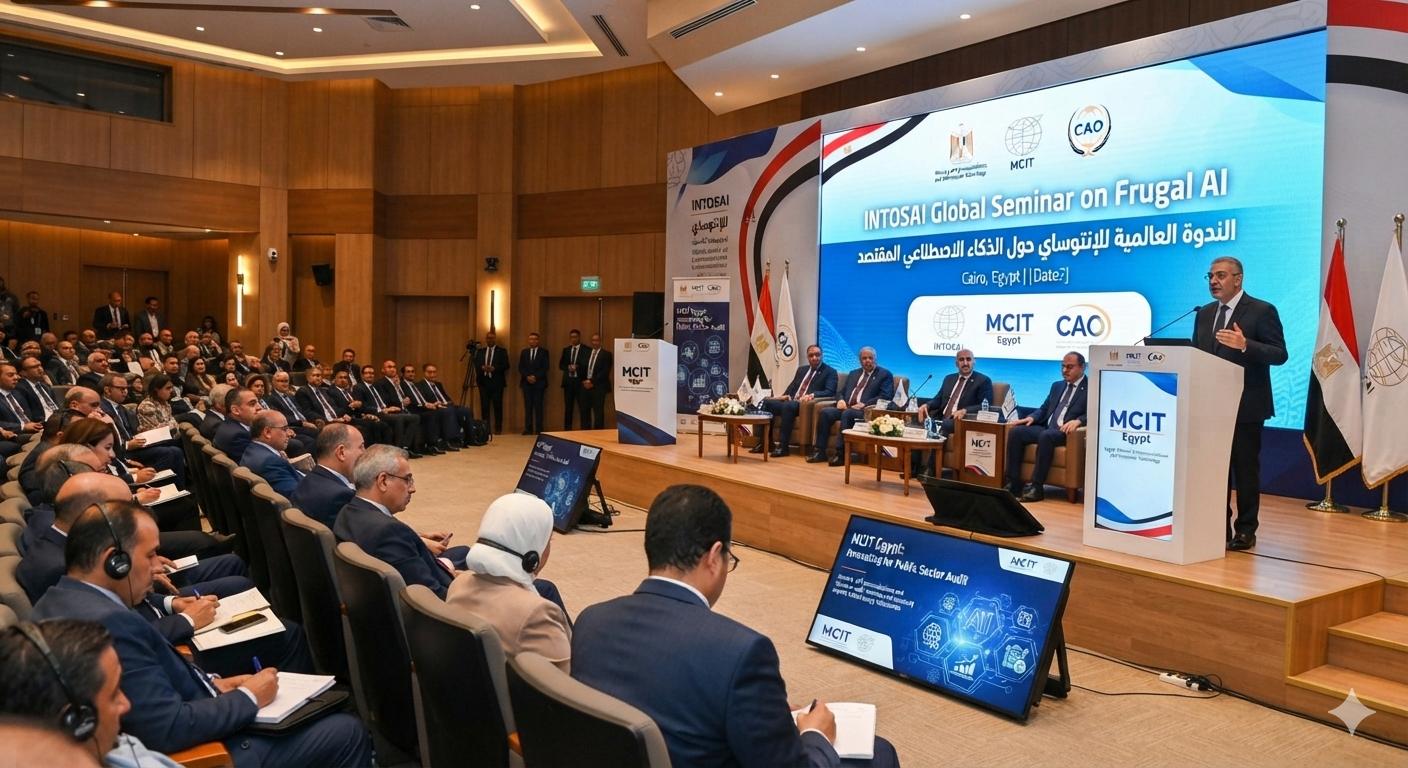
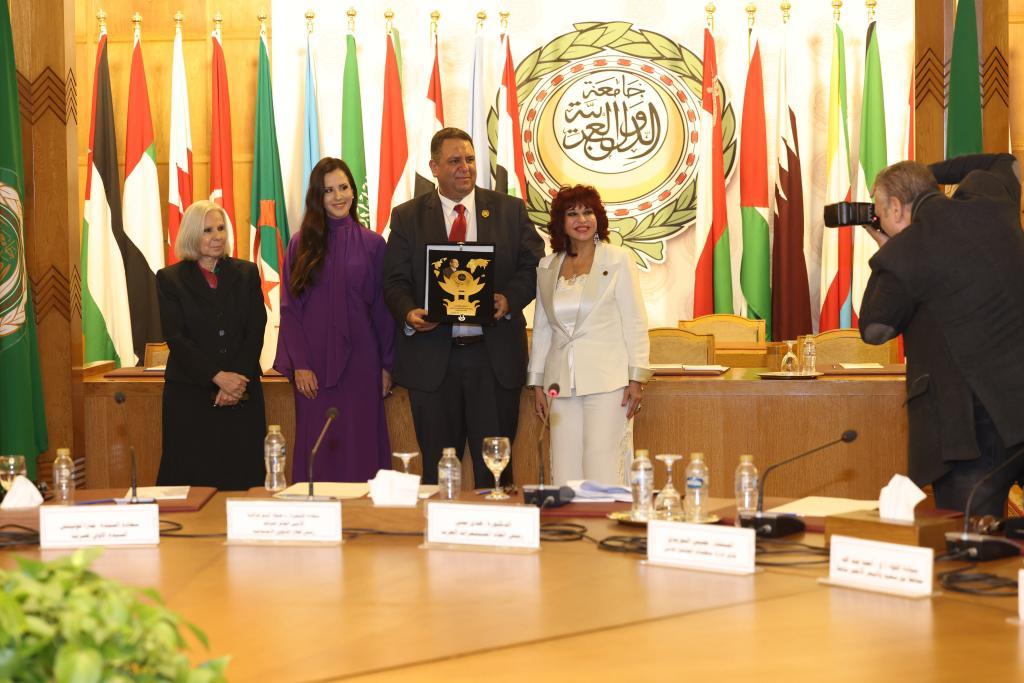
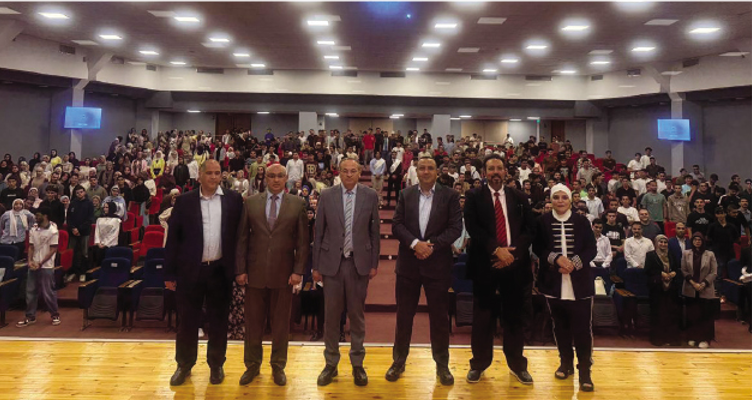
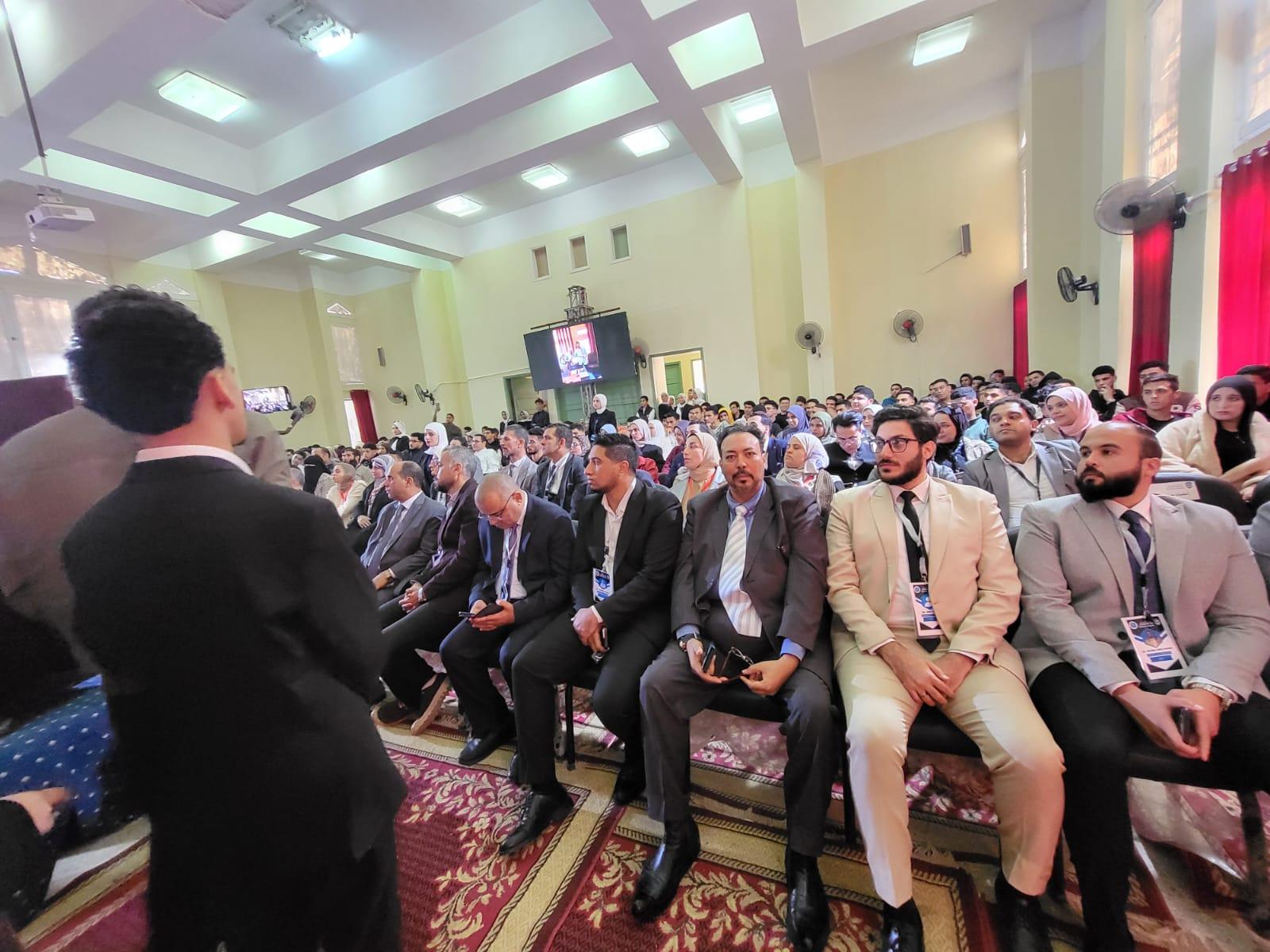
Egypt hosted the Global Seminar of the International Organization of Supreme Audit Institutions (INTOSAI) Supervisory Committee on Emerging Issues (SCEI), titled "Frugal AI: Emerging Opportunities for Supreme Audit Institutions," from August 31 to September 1 in Cairo.
It was hosted by the Accountability State Authority (ASA) as part of Egypt's role in chairing INTOSAI and SCEI, with the Ministry of Communications and Information Technology (MCIT) taking part in the event.
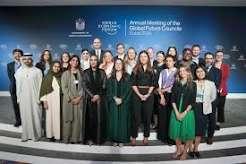
The seminar brought together leaders and experts from Supreme Audit Institutions (SAIs), senior officials, and representatives of around 40 countries and institutions to explore opportunities for adopting Frugal AI in a responsible, sustainable, and effective manner. Participants exchanged experiences and explored practical approaches to responsible AI adoption in public institutions.
MCIT participated in the opening session and other sessions, describing Frugal AI as a new paradigm for developing efficient, sustainable, and affordable AI solutions that can accelerate digital transformation across SAIs. The Ministry highlighted its efforts and initiatives in emerging technologies and Digital Egypt, alongside green AI, the evolution of AI models, large and small language models (LLMs and SLMs), digital sovereignty, and responsible AI adoption.
The seminar addressed emerging AI-related issues, including setting priorities for Frugal AI adoption, the role of INTOSAI and regional organizations, and new initiatives supporting innovation in auditing practices.
The event concluded with a set of recommendations aimed at strengthening cooperation and knowledge exchange among SAIs and promoting the gradual adoption of AI solutions in line with each institution’s readiness and resources. The recommendations emphasized using smaller, resource-efficient models and selecting AI solutions proportionate to the nature of the problem.
Recommendations also called for establishing institutional frameworks for responsible AI governance; strengthening institutional readiness to manage data governance, cybersecurity, transparency, and ethical risks; building AI capabilities at three levels—AI experts, users capable of leveraging AI, and broader AI awareness among employees and leaders; and linking each Frugal AI application to a clear strategic objective and measurable performance indicator.
They further highlighted the importance of developing shared repositories of AI solutions and common standards for evidence sufficiency, using tested and approved AI tools, and strengthening data quality, the integrity and fairness of AI-generated conclusions, and transparency. The recommendations also underlined the need to address auditors’ challenges in developing and using different AI models and support efforts to advance the Maat initiative, proposed to INTOSAI in 2025, to enhance auditing through AI.