Heliopolis University for Sustainable Development launched its Sustainability Report 2025, which highlighted significant milestones throughout 2025 across education, research, innovation, community development, and environmental sustainability, further reinforcing its role as a leading institution dedicated to advancing sustainable development in Egypt and beyond.
During the year, Heliopolis University for Sustainable Development secured €7.38 million across 28 active international research and development projects, supporting initiatives focused on climate resilience, sustainable agriculture, water management, entrepreneurship, higher education development, and circular economy solutions.
Research and innovation remained at the heart of the university's mission. Through its specialized laboratories, research centers, and applied research initiatives, the university generated significant scientific output, with the Faculty of Pharmacy alone contributing 88 peer-reviewed publications, while engaging over 2,000 students and faculty members in hands-on project-based research. International partnerships brought together 21partners across 11 countries in Africa, Asia and Europe, with 152 students and staff participating in international mobility programs throughout the year.
Across its Community Development Centers, the university delivered diverse initiatives & programs that benefited thousands of individuals in rural communities. Health outreach initiatives organized through HU Rural Development Center and faculty of Physiotherapy reached 1,100 patients who received free physiotherapy services. Socio-economic empowerment programs targeted 1,500 women across 13 villages in Sharkeya governorate, and waste management awareness campaigns reached 2,050 school students and 1,700 households. The university also awarded 1,871 scholarships, removing financial barriers to higher education for students across Egypt.
Climate action remained a central priority. Through initiatives led by its Carbon Footprint Center the university supported the generation of 10,000 carbon credits, the planting of 52,639 trees, and the production of 12,322 tons of organic compost. HU also piloted a project in Bahariya Oasis which generated around 400 tons of CO2-equivalent carbon credits in its first year, while delivering a 30% increase in soil organic matter and a 15% reduction in farming costs for participating farmers. On campus, the university offset 100% of its carbon emissions, recycled 100% of its wastewater, and processed 385.9 tons of waste through its Waste Collection Unit.
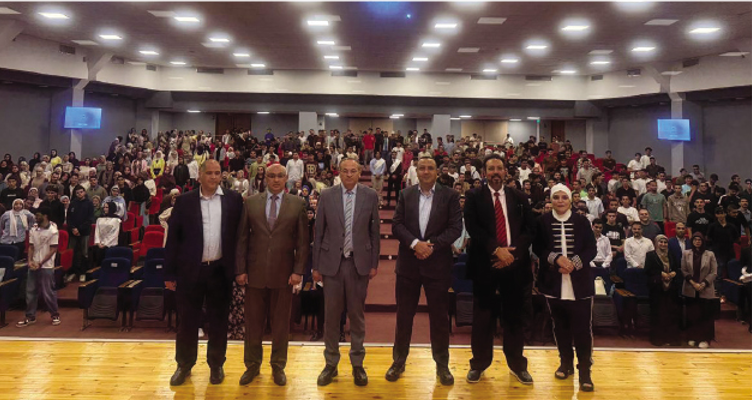
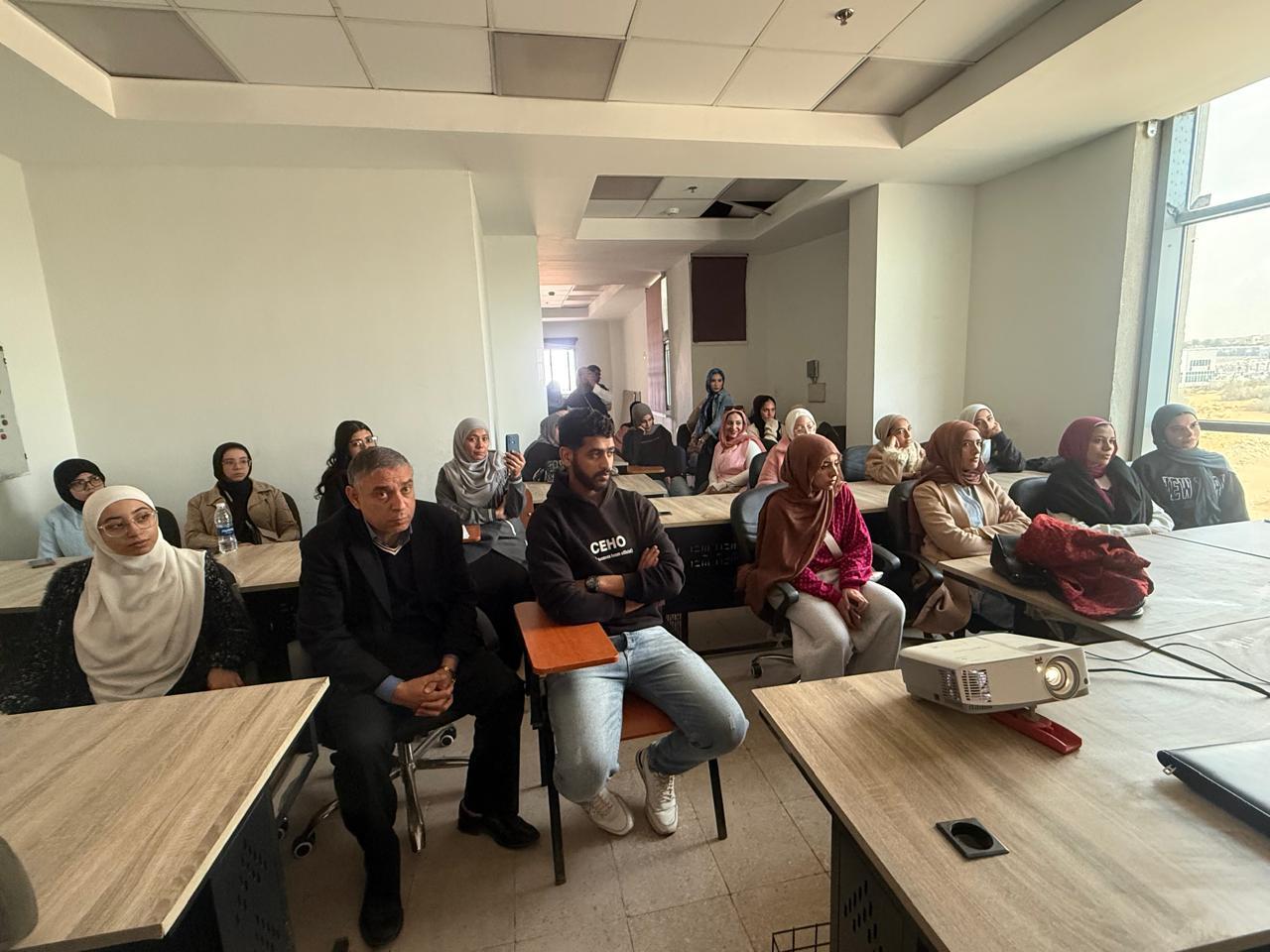
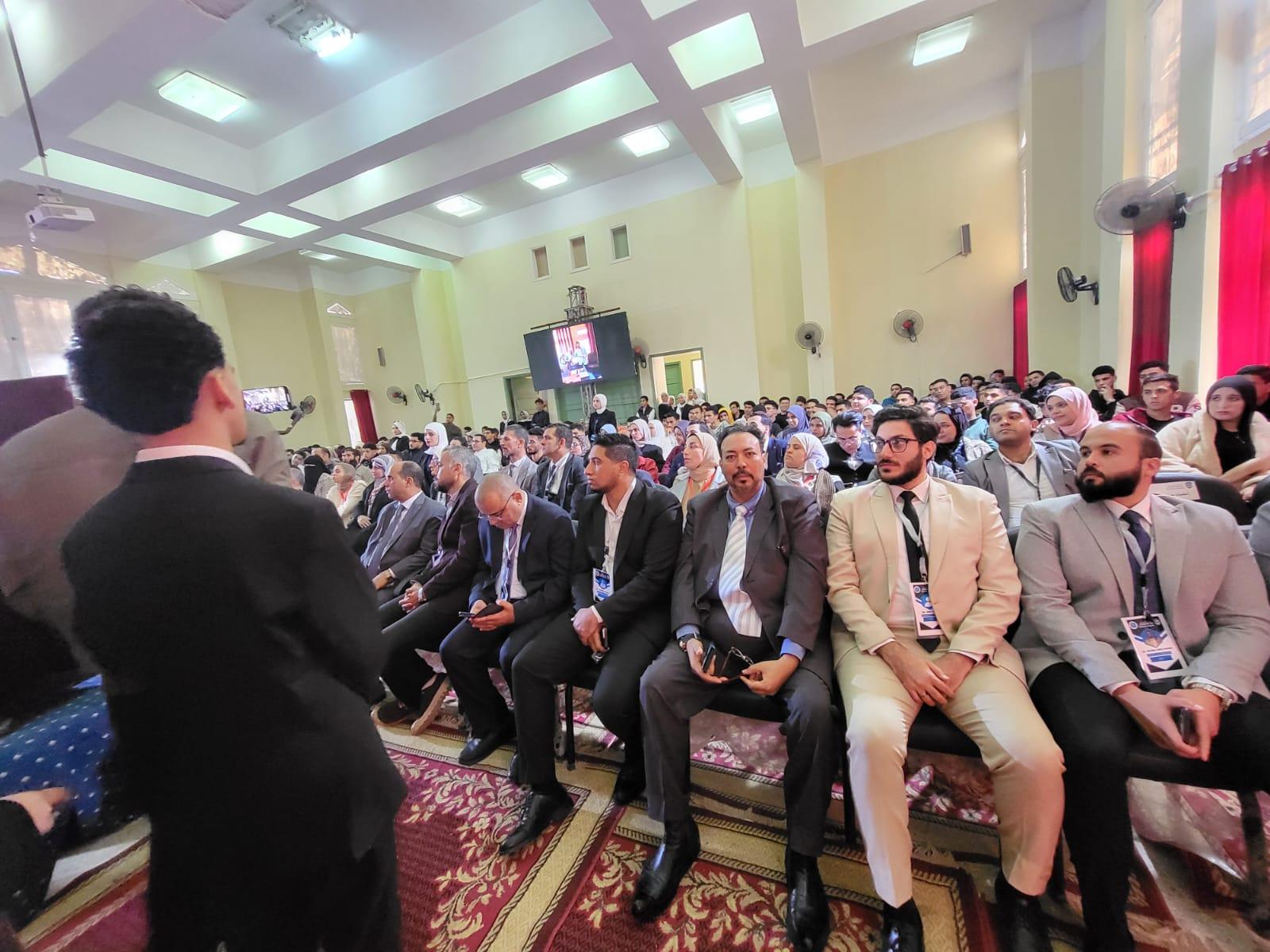
The university also expanded its educational and capacity-building efforts across its 3,367 enrolled students, including 443 international students. The Training Academy delivered 22 courses across 54 training groups, reaching 1,053 staff participants, while 399 academic staff were trained through 23 modules of the Education for Sustainable Development Program. The university also organized 57 cultural events across multiple locations and hosted the Sustainable Development for Global Impact-SDGI Conference, attracting 363 participants and 79 presenters from more than 10 countries worldwide.
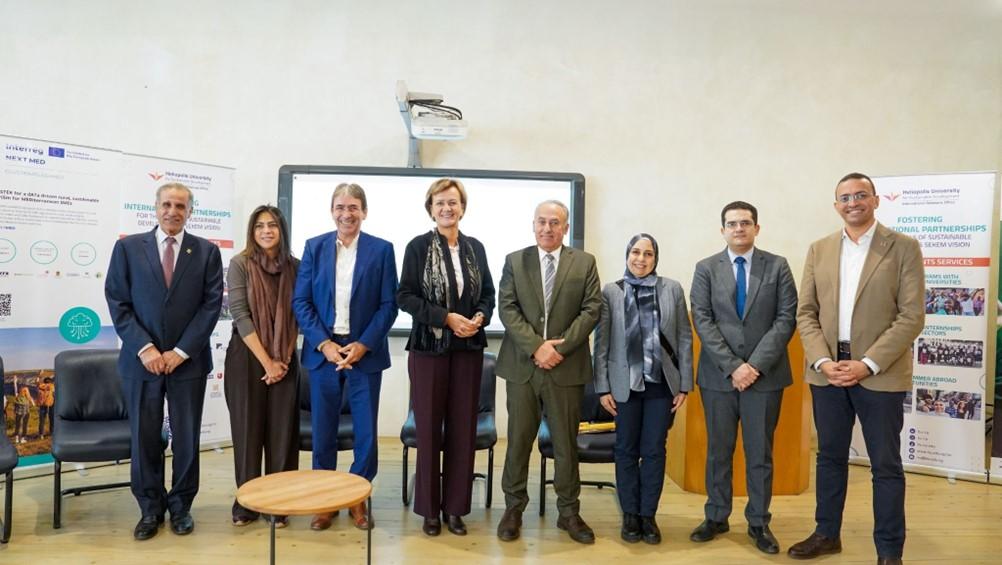
In parallel, Heliopolis University strengthened its international engagement through new partnerships with universities, research institutions, NGOs, and private-sector organizations across Europe, Africa, Asia, and the Middle East, welcoming more than 1,000 guests from academic institutions, embassies, and funding agencies throughout the year.
"Every achievement realized throughout the year reflects our commitment to creating meaningful impact through education, research, and community engagement," said Dr. Ahmed Elshazly, Heliopolis University Vice President for Community Development and Partnerships "By working closely with our partners, students, researchers, and communities, we continue to advance practical solutions that contribute to a more sustainable and equitable future."
Building on this momentum, Heliopolis University for Sustainable Development will continue expanding its sustainability initiatives, strengthening strategic partnerships, and advancing innovative programs that support environmental stewardship, social development, and economic prosperity across Egypt.