AI security enrollments grew 131% and generative AI 83%, while AI micro-credential enrollments increased 111%
Egypt ranks fourth in the Middle East and North Africa and 43rd globally on the new AI-Human Skills Synergy Index featured in Coursera’s Global Skills Report 2026. The Index, the first of its kind, measures the extent to which learners across 98 countries are developing AI skills alongside the human skills needed to apply them, while accounting for each country’s broader AI readiness.
Egypt’s position comes as the country advances efforts to strengthen its AI capabilities and connect education with changing labor market needs. Its National Artificial Intelligence Strategy 2025-2030 sets a target of 30,000 AI professionals by 2030, supported by priorities spanning governance, technology, infrastructure, and talent development. The Egypt Occupational Outlook platform also provides information on more than 400 professions, helping inform education and training decisions through data on job requirements and projected employment growth.
Now in its eighth edition, the Global Skills Report 2026 draws on a subset of learning data from more than 300 million learners across Coursera and Udemy. The report combines insights into AI and human skills development with broader national readiness data from Oxford Insights’ Government AI Readiness Index.
Across Egypt, enrollments in AI courses increased 24% year over year. Trending AI learning themes include AI and machine learning foundations, data and analytics, and large language model application and modeling. Generative AI and agentic AI are also prominent themes, with enrollments in generative AI rising 83% and agentic workflows growing 111%. AI security enrollments increased 131%.
Learners in Egypt are also developing the human skills needed to evaluate AI outputs and explain results clearly. Communication and presentation, stakeholder alignment and influence, and innovation and ideation are among the trending human skills themes, together with ethics and governance, and adaptability and resilience. Enrollments in complex problem-solving increased 6% year over year, while critical thinking declined 9% and innovation fell 3%. These findings highlight an opportunity to strengthen participation in the human skills learning that supports effective AI use.
The report examines which AI and human skills learners develop together more distinctively than the global average. In Egypt, learners pair data and analytics with communication and presentation, as well as with critical thinking and judgment. They also pair AI and machine learning foundations with communication and presentation. These combinations can help people explain AI-supported analysis clearly, challenge assumptions, and communicate model results and technical limitations to different audiences.
Labor market evidence reinforces the relevance of AI skills development. According to the World Bank’s Digital Progress and Trends Report 2025, job vacancies requiring AI skills in Egypt doubled between 2021 and 2024. Against this backdrop, micro-credentials offer individuals a way to demonstrate specific skills verified through assessment, giving employers evidence of what they know and can do. Coursera’s report shows that micro-credential enrollments in Egypt rose 43% year over year overall, with AI-related micro-credential enrollments increasing 111%.
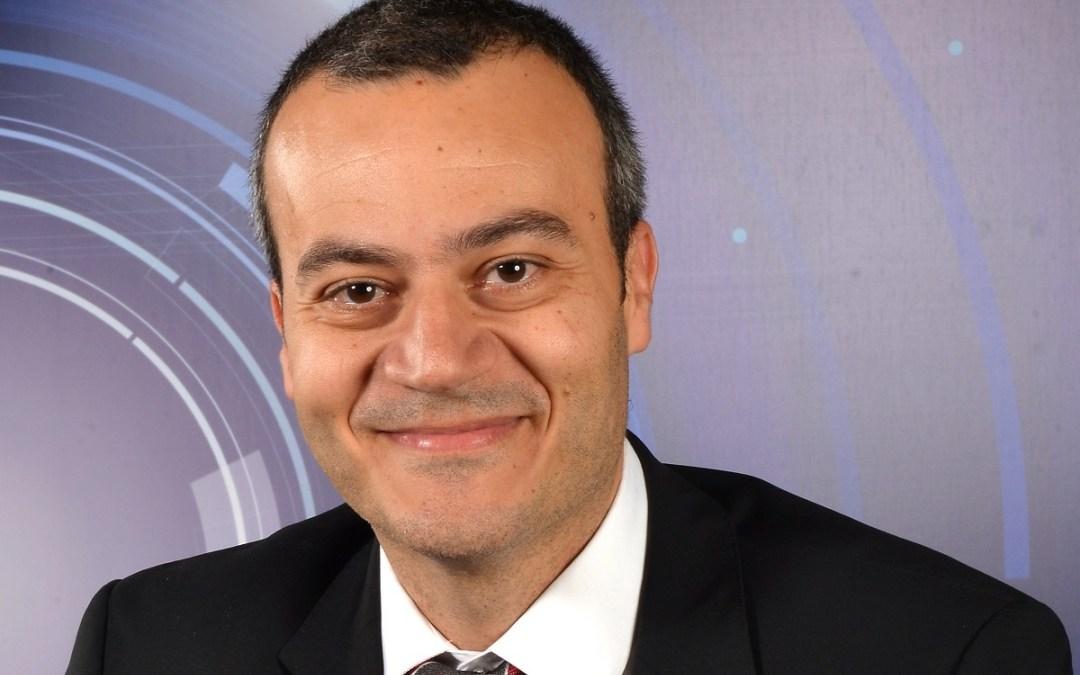
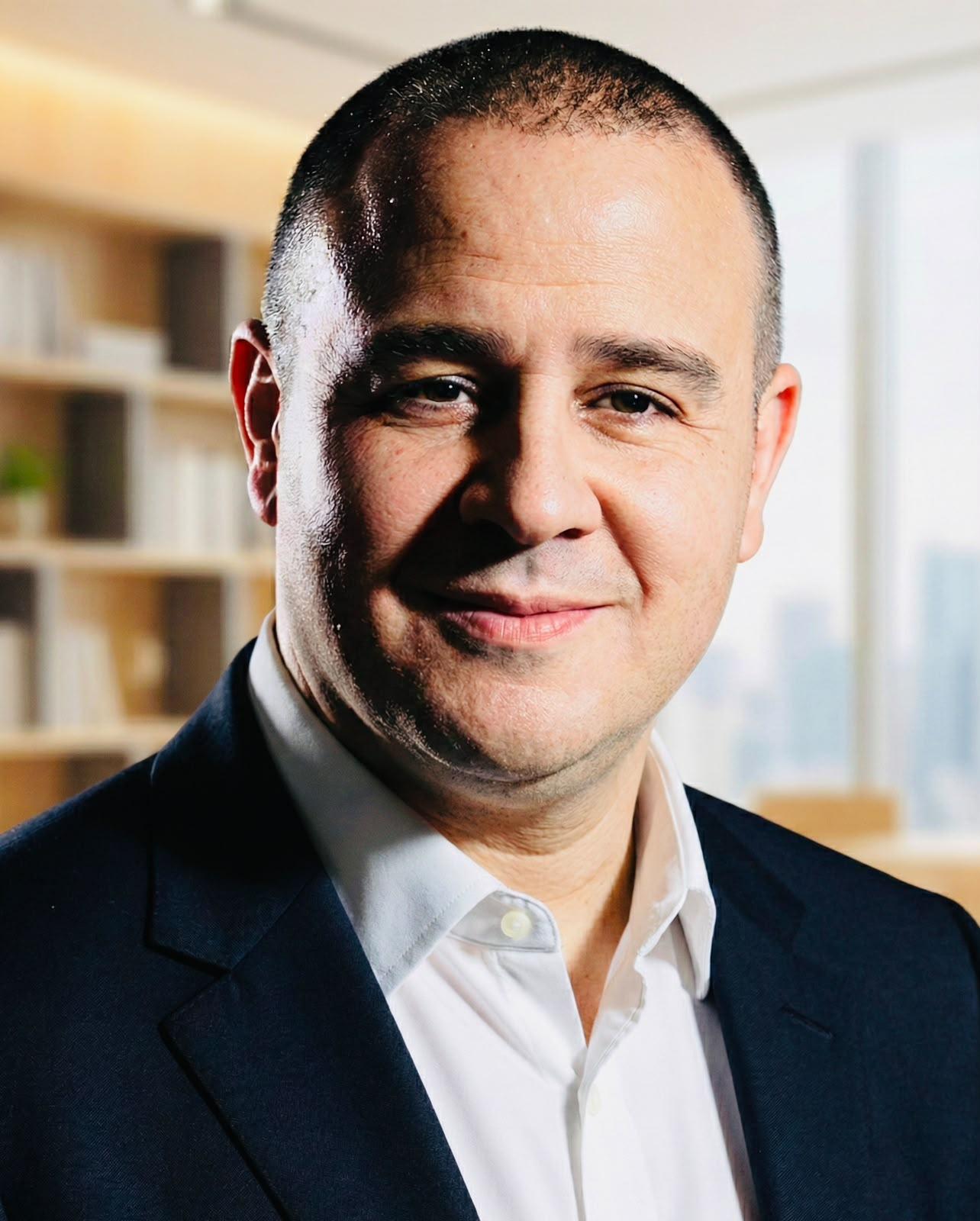
Kais Zribi, Coursera’s General Manager for the Middle East and Africa, said: “Egypt has an opportunity to turn growing interest in AI into a stronger competitive position. That will require consistent investment in the human skills that help people question results and make sound decisions. Employers, educators, and the government need to coordinate their efforts so that training reflects changing job requirements and gives people opportunities to apply technical and human skills together. Connecting learning to real work will be essential to helping more people access opportunities in the AI economy.”