Manipal Academy of Higher Education (MAHE) Dubai Podcast Examines the Pace of Change
By : Amir Taha
As the UAE accelerates its Education 33 agenda to strengthen research, attract global institutions and position itself as a knowledge-driven economy, a central question is emerging: can higher education evolve at the same pace as industry?
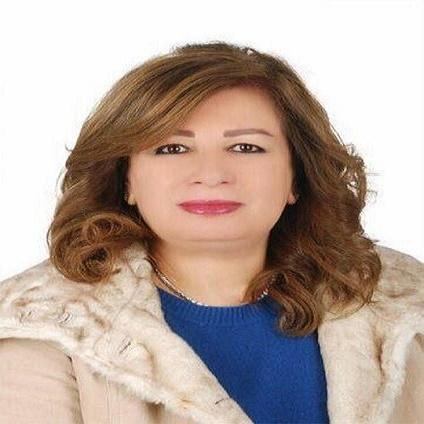
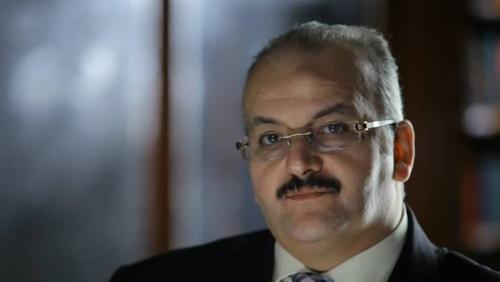
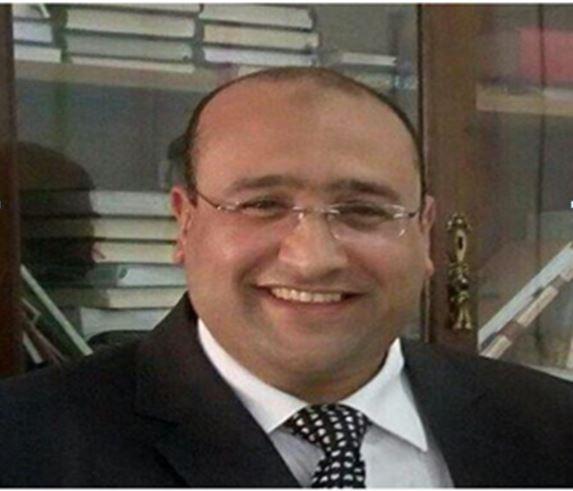
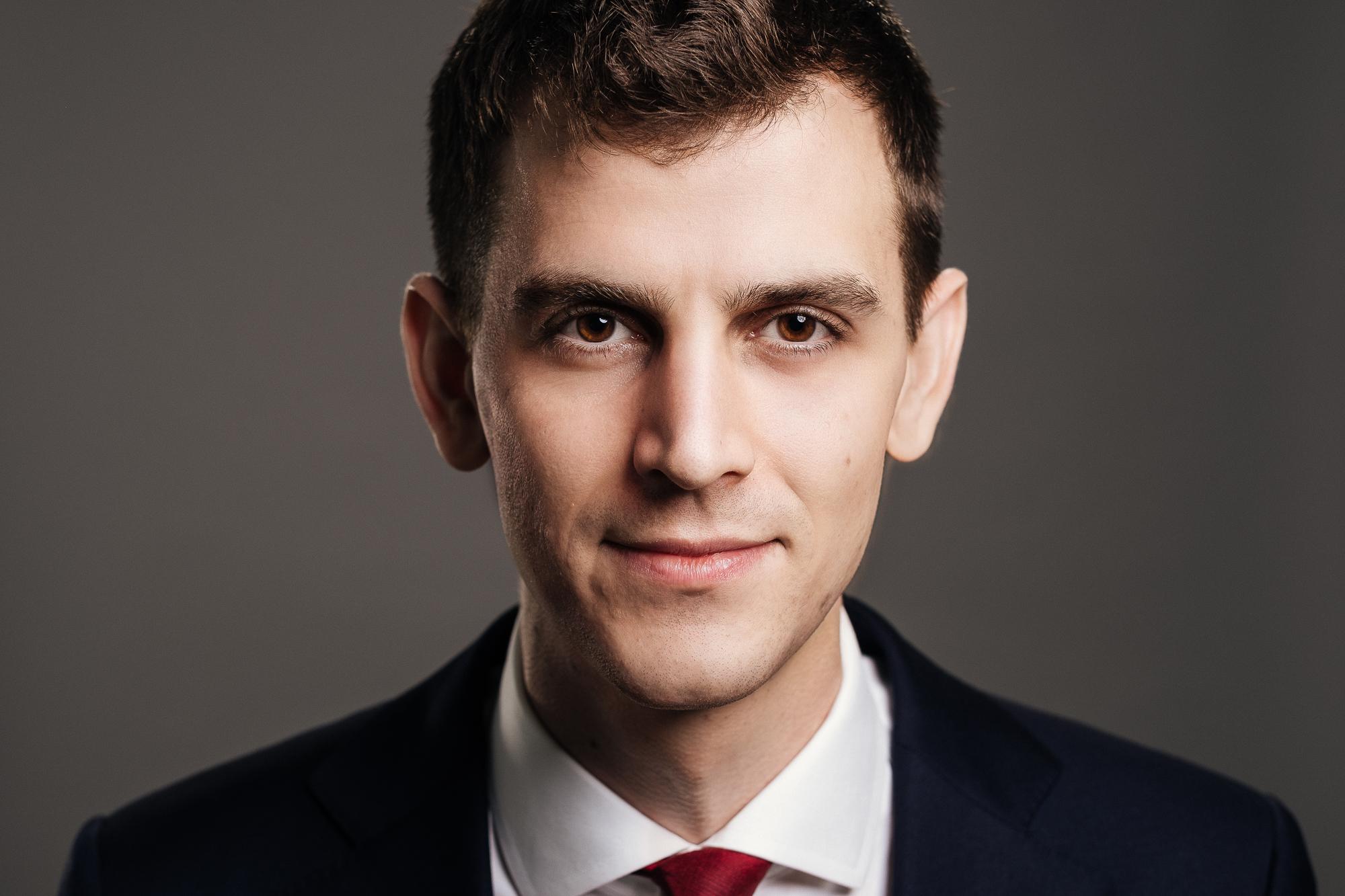
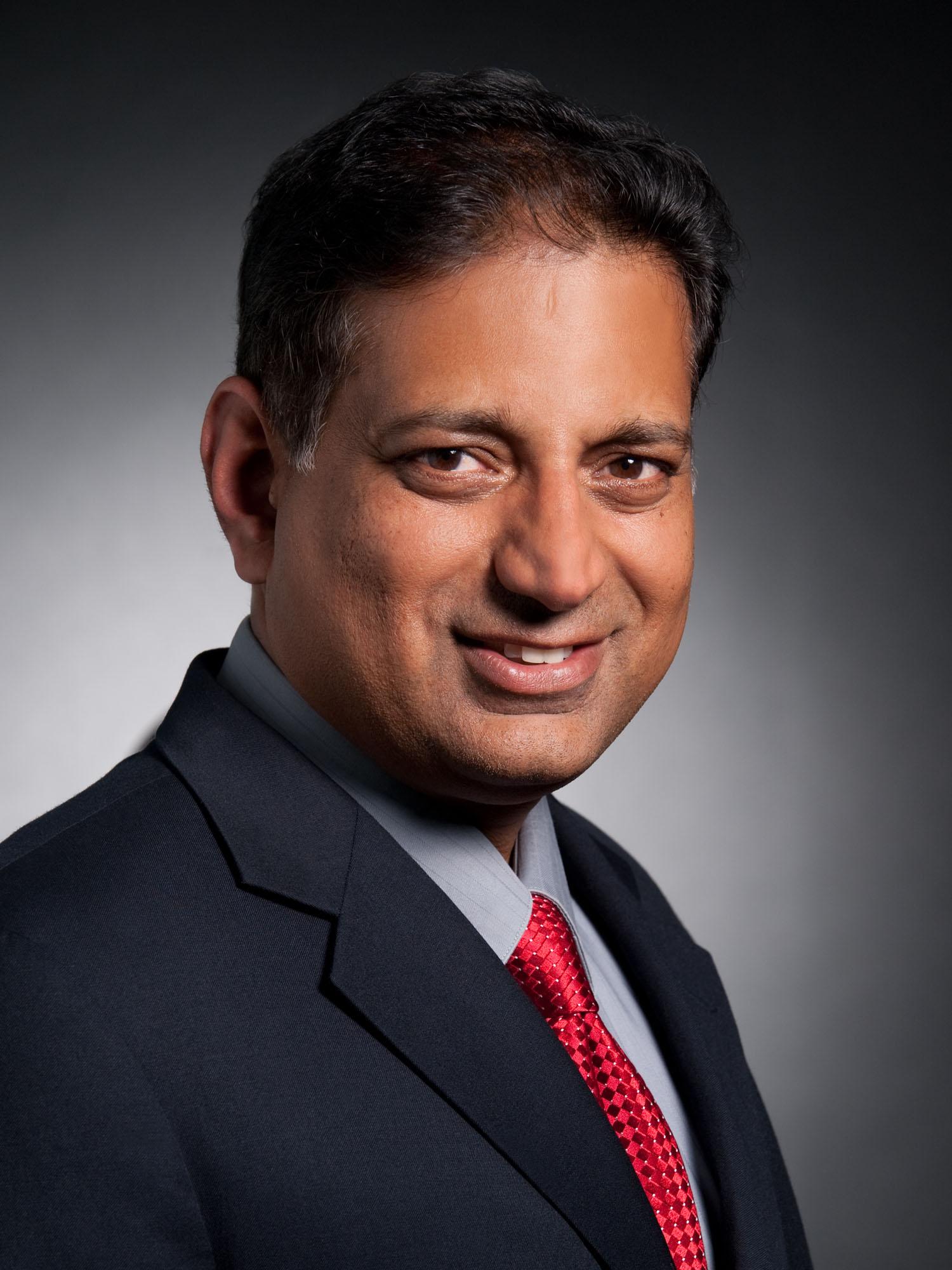
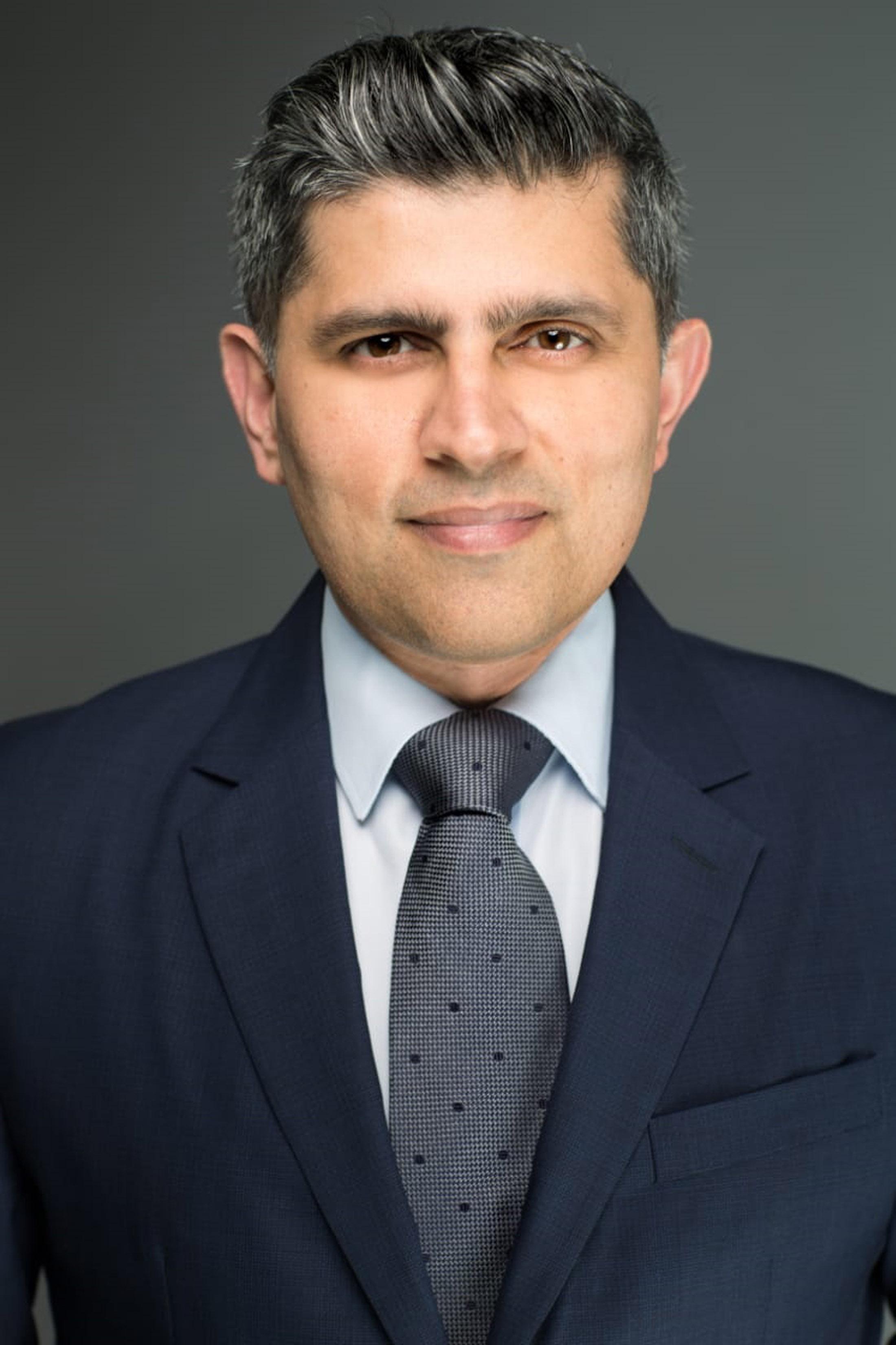
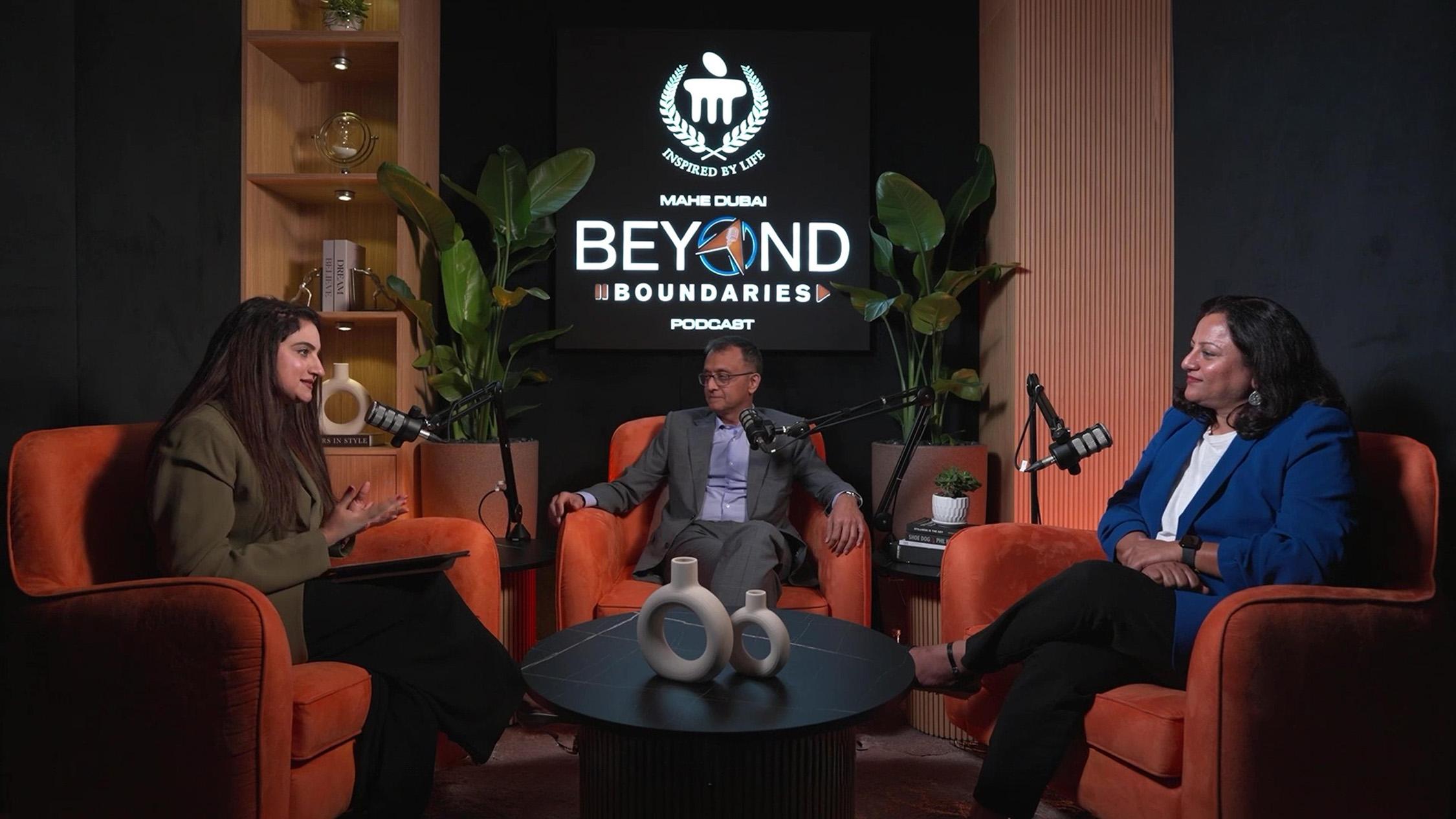
That question formed the core of the latest episode of Beyond Boundaries, the podcast by Manipal Academy of Higher Education (MAHE) Dubai exploring employability and the future of education. The episode brought together Dr. Roma Raina, Head of Corporate Alliances & Partnerships at MAHE Dubai, and Mahesh Shahdadpuri, Founder and CEO of TASC Group, to examine how hiring, skills and workforce models are changing in real time.
With companies increasingly deploying AI-driven recruitment systems and automation tools, the speed of change inside organisations is accelerating. Industry cycles are shortening, and roles are being redesigned faster than curricula can be rewritten. From an academic standpoint, the challenge is not predicting specific job titles, many of which may not yet exist, but preparing students for multiple transitions across their careers.
“Five years ago, we didn’t know what prompt engineering was,” said Dr. Roma Raina, Head of Corporate Alliances & Partnerships at MAHE Dubai. “Degree is not the finish line, it is the starting point. We have to build strong foundations in adaptability, critical thinking and problem-solving so students can move with change rather than be disrupted by it.”
The discussion underscored what was described as a widening tempo gap: industry operating in months, education structured in years. Bridging that gap requires deeper collaboration, including earlier industry exposure, structured internships aligned to specialisation, and live project engagement between universities and businesses.
From an employer’s perspective, hiring models themselves are evolving. AI-enabled systems are now capable of conducting structured candidate interactions and supporting screening decisions. However, the consensus was that technology does not eliminate the need for human judgement, it reshapes how it is applied.
“The world will divide between those who understand AI and those who don’t,” said Mahesh Shahdadpuri, Founder and CEO of TASC Group. “Technology will drive productivity, but initiative, mindset and the ability to solve problems remain the differentiators.”
The conversation positioned these shifts within the UAE’s broader economic transformation. Under the Education 33 agenda and Dubai’s D33 strategy, the country aims to attract leading international institutions, expand research capacity and grow its base of knowledge workers. As innovation becomes more central to the education ecosystem, alignment between academia and industry will play a defining role in determining whether graduates are merely qualified or truly future-ready.
Beyond employability, both speakers also emphasised the importance of mindset and wellbeing in a fast-changing environment, encouraging students to continuously upgrade their skills while maintaining perspective.
The second episode of Beyond Boundaries is now available on YouTube.
About Manipal Academy of Higher Education – Dubai
Manipal Academy of Higher Education (MAHE), Dubai Campus, is a globally recognized institution committed to academic excellence, research and innovation. Licensed by the UAE Ministry of Higher Education and Scientific Research (MoHESR), the campus delivers programs accredited by the Commission for Academic Accreditation (CAA) and has been awarded a five star rating by the Knowledge and Human Development Authority (KHDA). MAHE Dubai provides a world class learning environment designed to equip students for success in a dynamic global landscape.
Established in 2000 as the first international branch campus of MAHE, India’s largest private university, the Dubai campus is home to over 3,100 students from 50+ nationalities and supported by a distinguished faculty of 150+. The university offers 50+ programs across disciplines such as Engineering, IT, Business, Design, Architecture, Life Sciences, Biotechnology, Media, and Psychology.
Located in Dubai International Academic City, the 750,000 sq. ft. campus features advanced laboratories, specialized studios, innovation hubs, and vibrant student life facilities — fostering academic, creative, and personal growth.