CIRA Education's Saxony Egypt University and the Ministry of Labour Sign Cooperation Protocol to Align Technical Training with Labour Market Needs
Tuesday 18 August 2026 15:18 - الثلاثاء ٠٥ ربيع الأوّل ١٤٤٨
The partnership connects SEU’s applied education model with the Ministry’s training-centre network, widening access to skills pathways tailored to Egypt’s evolving economy.
By ; Islam Tawfik
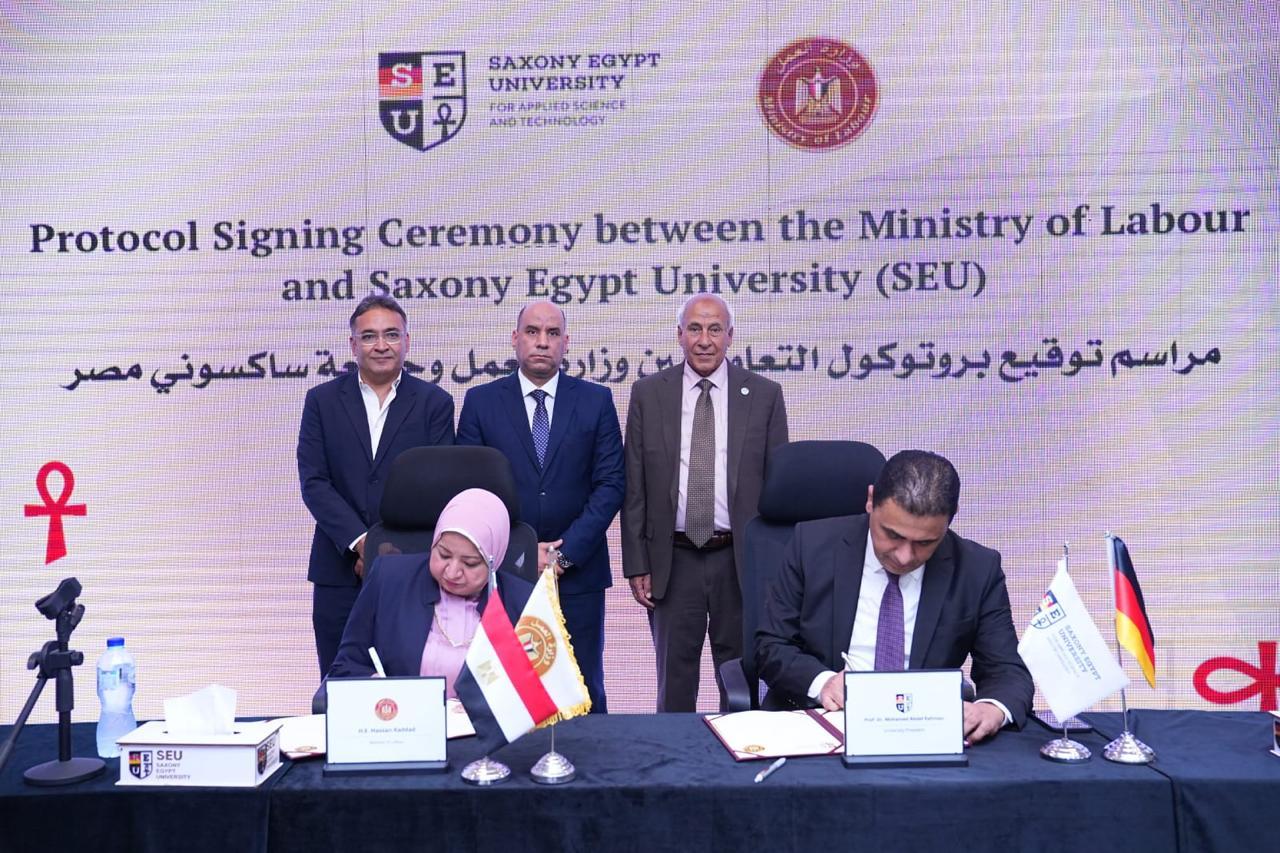
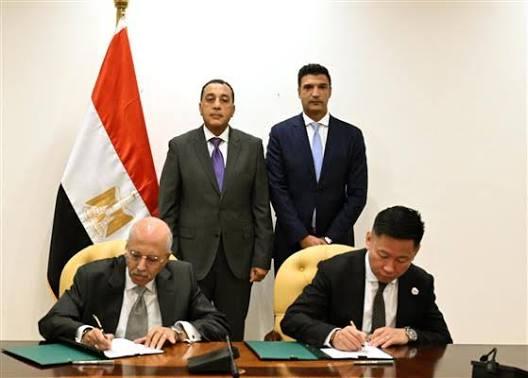
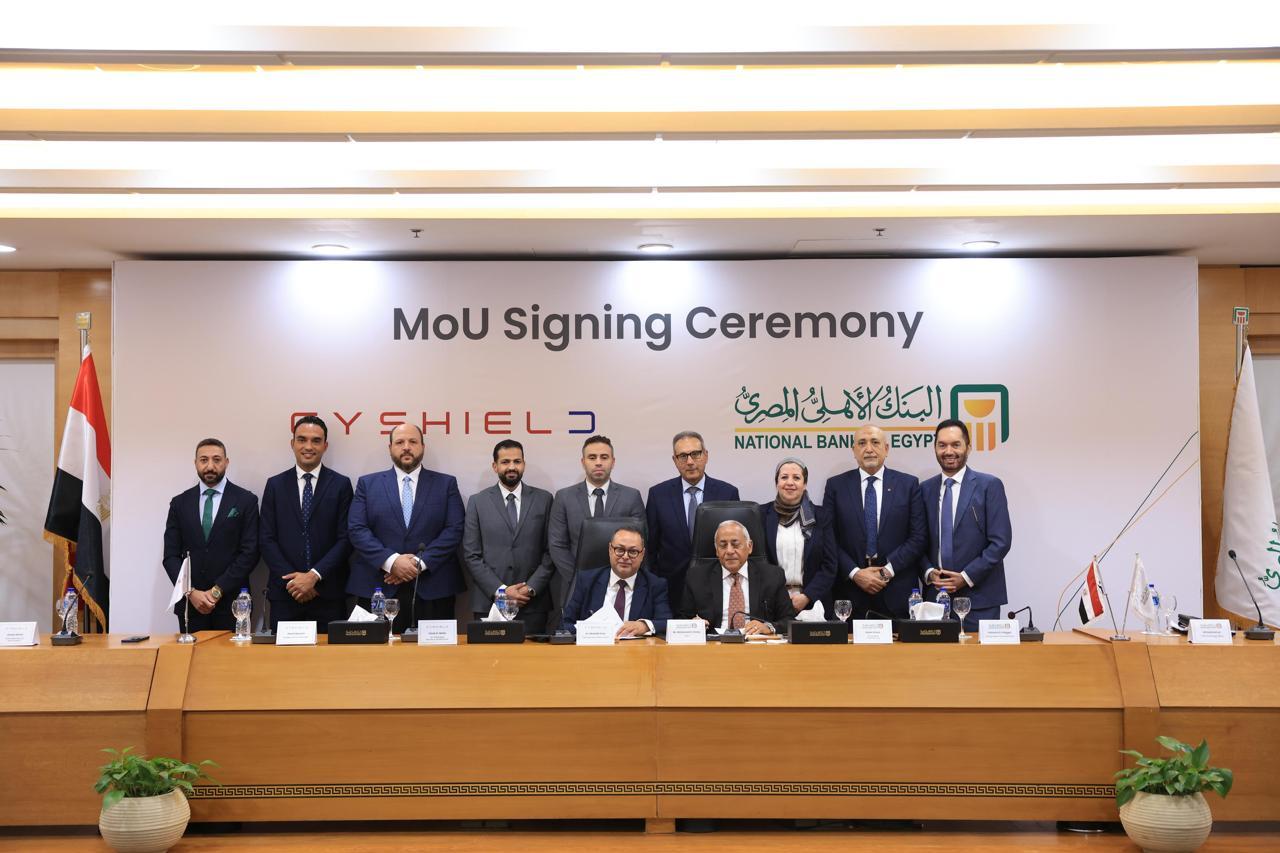
In the presence of Egypt's Minister of Labour, Hassan Raddad El-Mashad, and senior representatives from both institutions, Saxony Egypt University for Applied Sciences and Technology (SEU), Egypt's largest private technological university and part of CIRA Education's higher education platform, today signed a cooperation protocol with the Egyptian Ministry of Labour to advance applied technology education and vocational training around the skills and specialisations most in demand across Egypt’s key sectors. The agreement advances a shared commitment to making high-quality technical education more accessible, supporting Egypt’s national priorities for Technical and Vocational Education and Training (TVET), and contributing to the objectives of Egypt’s Vision 2030 to build a skilled, future-ready national workforce.
Egypt continues to face a challenge in aligning education and training with labour-market needs. Youth unemployment among people aged 15–24 stood at 18.3% in 2025, according to the World Bank estimates, even as employers in manufacturing, mobility and services report difficulty finding candidates with the right qualifications. By pairing the Ministry's nationwide reach with SEU's applied, industry-facing training model, the protocol is designed to close that gap directly, translating the same Vision 2030 priorities into structured, employer-relevant training pathways that place graduates directly into the jobs the economy needs.
Under the protocol, the Ministry will identify and nominate eligible candidates and set the level of financial support each receives. SEU will design, deliver and supervise the agreed courses, conduct assessments, and issue certificates accredited by both parties, with advanced courses providing progression routes for trainees who wish to pursue higher qualifications. Delivery will extend to both the SEU campus and Ministry centres, drawing on the University's accredited trainers and its practice-oriented model, under which 60% of the curriculum is dedicated to practical training. SEU’s accredited trainers will deliver programmes at both the University and Ministry training centres, applying that approach to a wider base of learners. An early priority is the development of a dedicated training centre for the electric-vehicle trade, an area where technical capability will become increasingly important to Egypt’s evolving mobility sector.
SEU's role in this partnership builds on the University's own founding mission. Since the university opened its doors to students in September 2024, SEU represents Egypt's largest private-sector investment in technical education, created specifically to close the country's technology and applied-engineering skills gap. SEU has developed a growing network of international academic, industry and community partnerships that extends its impact beyond the classroom. Today's protocol extends that same community-facing model to a new group of learners nominated directly by the Ministry of Labour.
A joint committee drawn from both sides will oversee implementation, identifying the skills and specialisations most in demand across industry, agreeing trainee numbers and course content, and reviewing progress. Its mandate will allow training programmes to evolve in line with changing workforce and industry needs, while also opening the door to future community-development and internationally funded initiatives.
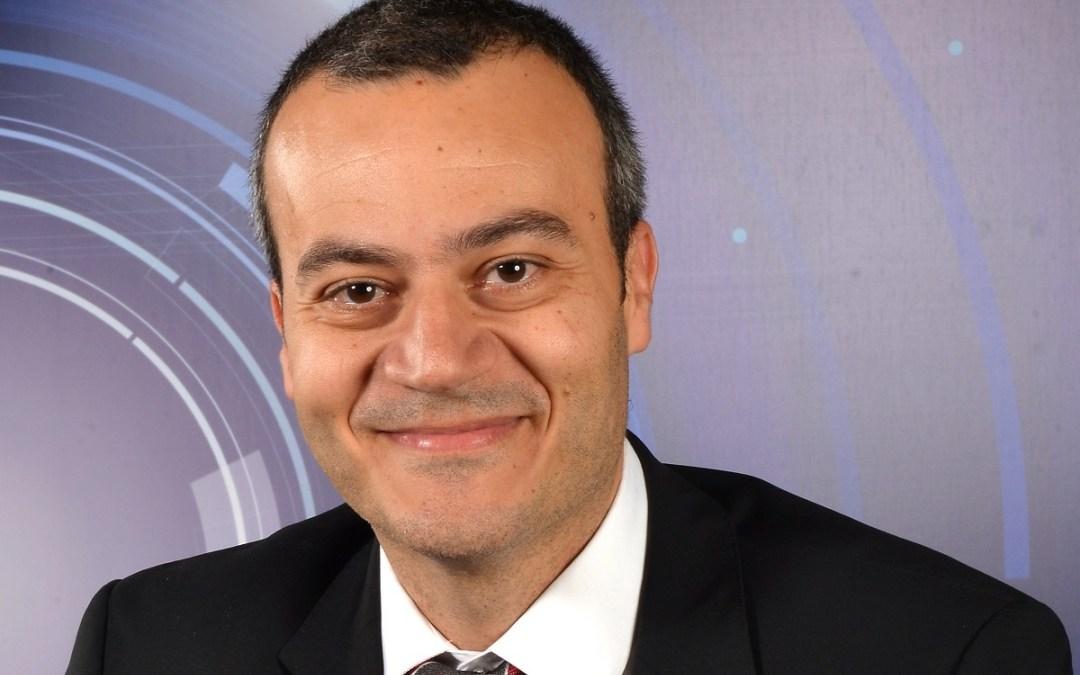
“At CIRA Education, we believe education creates the greatest impact when it connects directly to opportunity. This protocol reflects that principle in practice, extending our applied learning model beyond the University's campus and into the Ministry's own centres, and it underscores our long-term commitment to supporting Egypt's workforce development agenda,” said Dr. Hassan El Kalla, Chairman of CIRA Education.
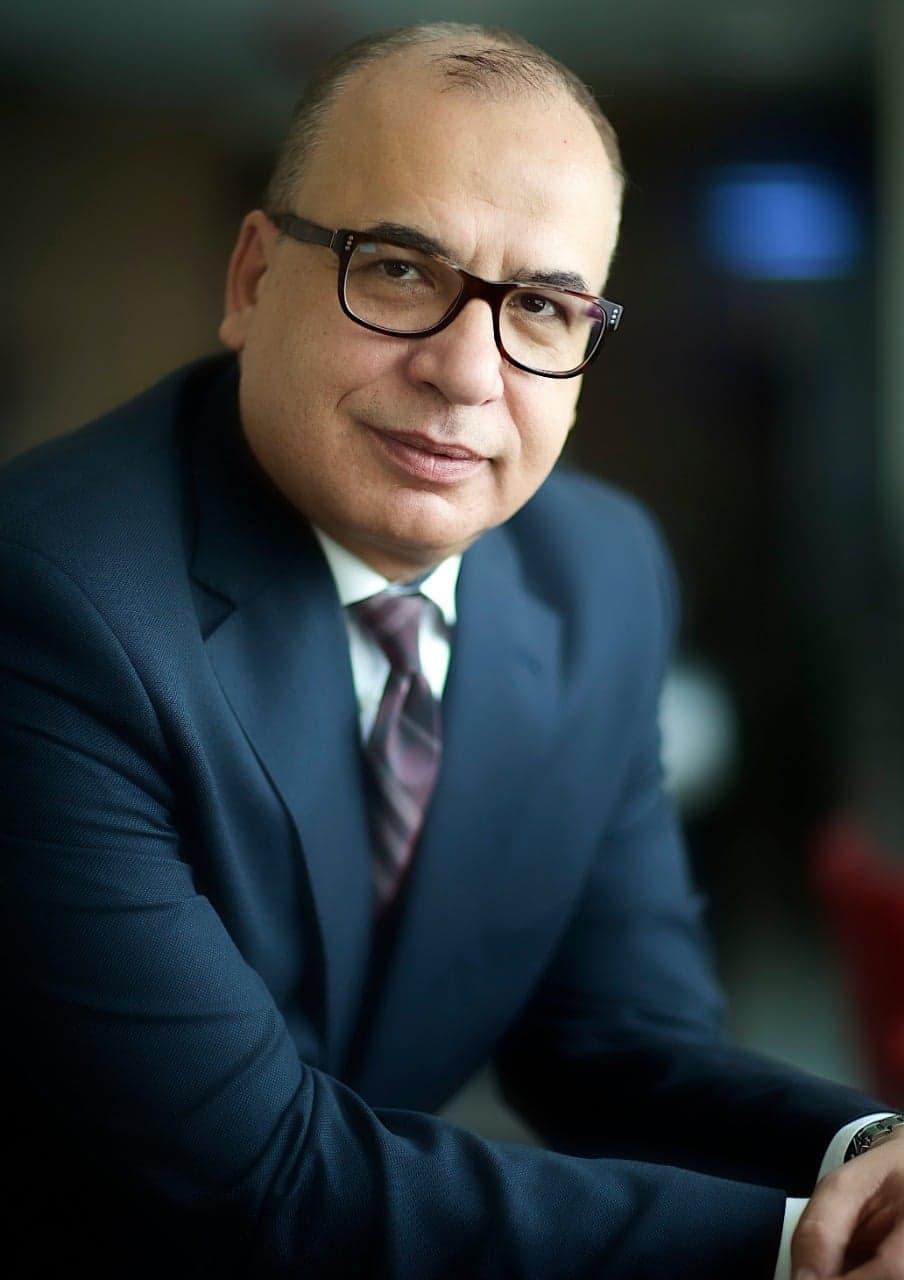
“The Ministry of Labour has been an important partner since SEU opened its doors in 2024. This protocol takes that collaboration to a more practical and scalable level, widening access to technical education that is directly connected to real workforce needs. By combining the Ministry’s reach and insight into workforce needs with CIRA’s experience in applied education, we can create pathways that support young people and working professionals alike, while advancing Egypt’s national priorities for technical and vocational education,”
said Mr. Mohamed El Kalla, Chief Executive Officer of CIRA Education.
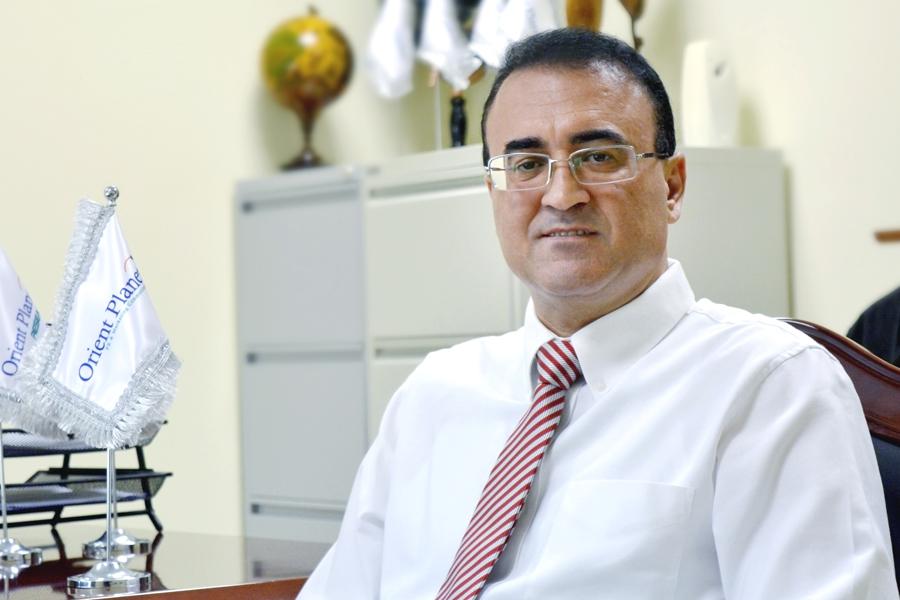
“SEU was established to bridge education and industry and to equip students with the skills required in an increasingly globalised economy. This protocol gives that mission a practical framework beyond the University's campus. The dual model we run means students spend most of their time in workshops and laboratories rather than lecture halls, and that is what we will bring to the Ministry's centres: our instructors, our equipment standards, and an industry-aligned training model that employers recognise,” said Dr. Mohamed Abdel-Rahman, President of Saxony Egypt University.
“Preparing young people for the future starts long before university. At Saxony International School, we build the foundations in applied learning and STEM that make partnerships like this possible later on, and it is rewarding to see that pathway carry through into real employment opportunities for graduates,”said Mr. Rüdiger School, President of SIS Middle East.
The joint committee will now convene to identify the initial priority specialisations, agree admission criteria and finalise the delivery schedule before welcoming the first cohort of trainees. As Egypt continues to diversify its economy and modernise its labour market, CIRA Education and the Ministry see today's protocol as a model that can be extended to additional trades a