By: Bakinam Khaled
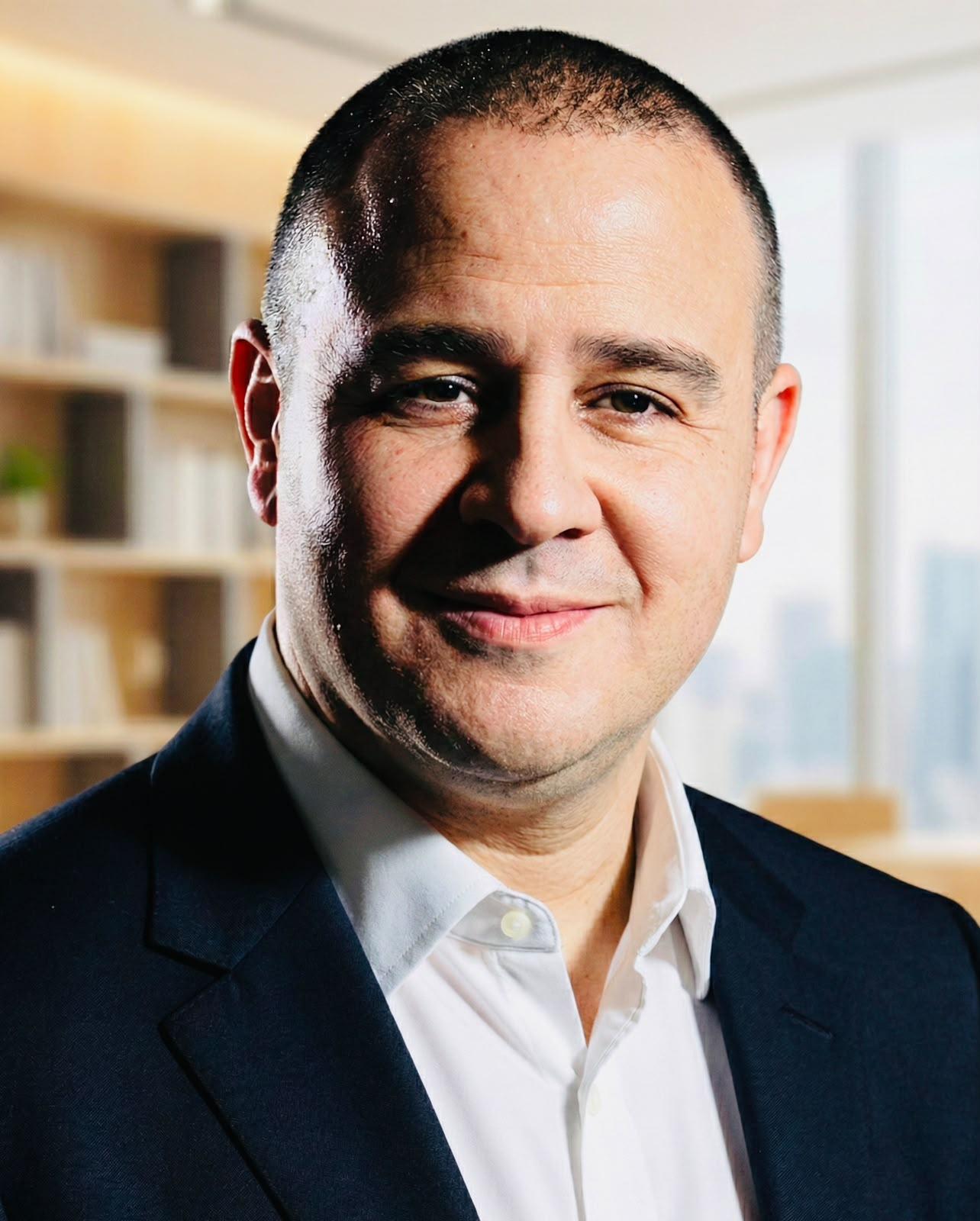
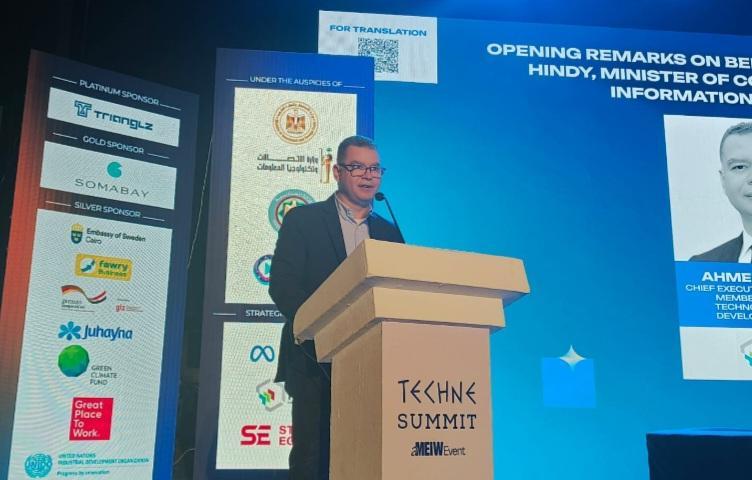
Engineer Ahmed El-Zaher, CEO of the Information Technology Industry Development Agency (ITIDA)—an affiliate of the Ministry of Communications and Information Technology—emphasized that artificial intelligence (AI) is creating new opportunities for tech startups in Egypt while simultaneously intensifying competition. He explained that competitive advantage is no longer tied solely to technology; rather, it begins with understanding the problem and developing products and solutions that offer sustainable value and scalability.
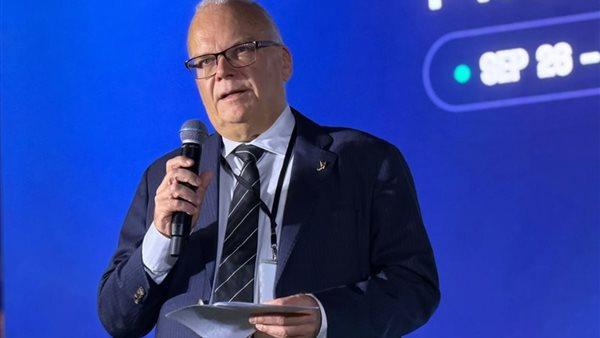
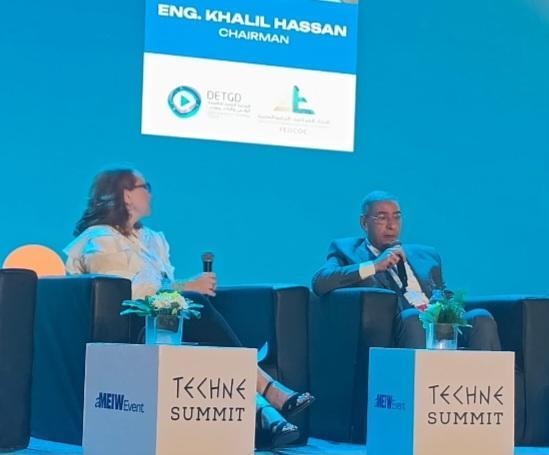
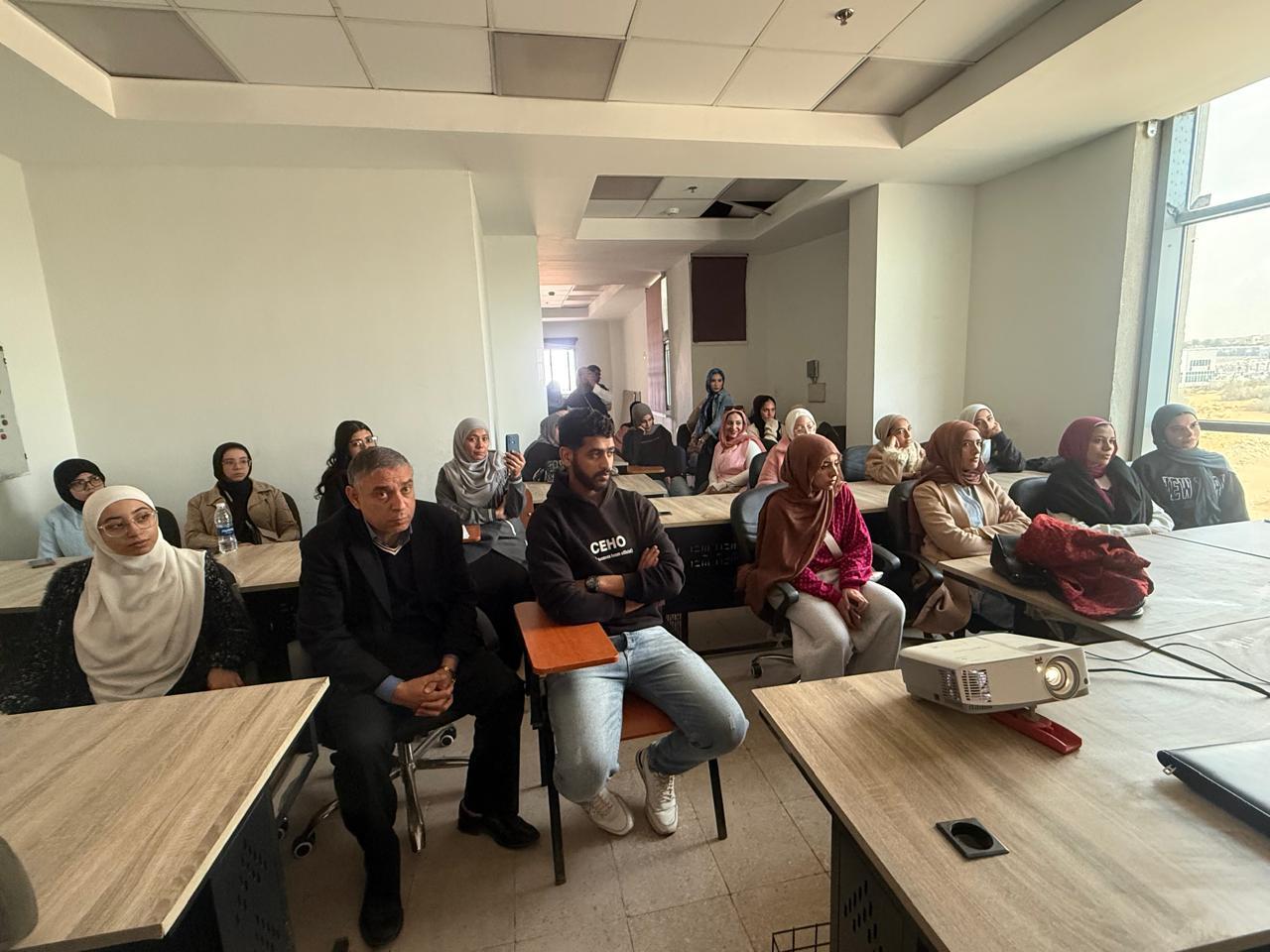
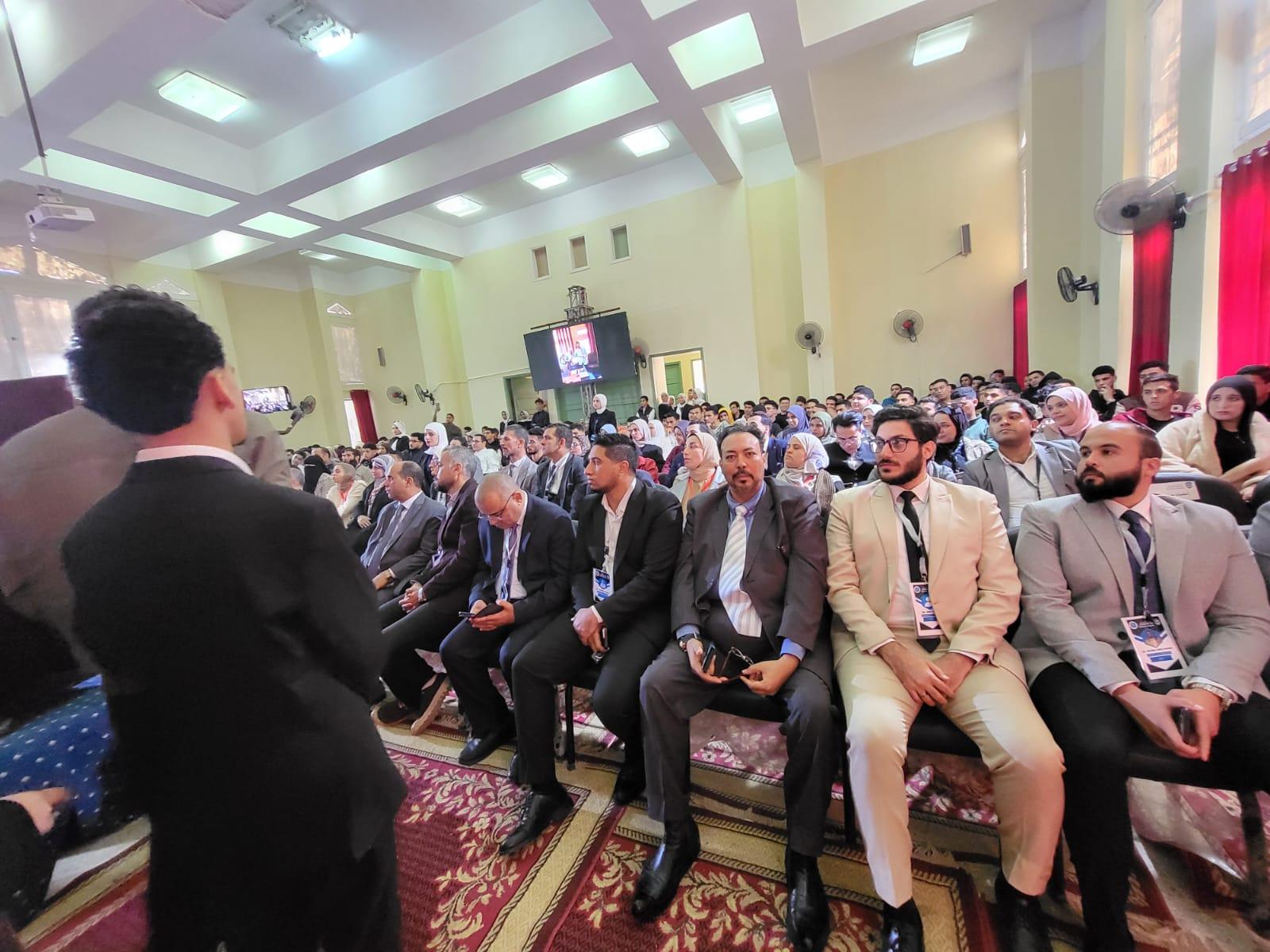
He made these remarks while speaking at the opening of the 11th edition of Techne Summit Alexandria 2026. El-Zaher attended on behalf of the Minister of Communications and Information Technology, Engineer Raafat Hindy. The event is currently taking place at the Bibliotheca Alexandrina and runs until next Monday. Attendees included Dag Juhlin-Dannfelt, the Swedish Ambassador to Cairo; Engineer Khalil Hassan Khalil, Head of the General Division for Digital Economy and Technology at the Federation of Egyptian Chambers of Commerce; Engineer Tarek El-Kady, founder of Techne Summit; as well as leaders from the technology and entrepreneurship sectors, investors, and representatives from startups. Al-Zaher explained that making AI models accessible to everyone does not necessarily equate to equal competitive footing among companies; he noted that the primary challenge now lies in identifying the elements that distinguish a company and imbue its products with sustainable, irreplaceable value.
He pointed out that AI is already transforming software development, product design, and customer service delivery, while also empowering startups and small businesses with capabilities that previously required substantial resources.
Al-Zaher emphasized that intensifying competition compels companies to focus on factors beyond technology—such as a deep understanding of the problem, specialized data, industry expertise, and customer relationships.
The CEO of ITIDA also affirmed that Egypt holds vast opportunities for innovation across the healthcare, education, fintech, agriculture, and government services sectors.
He noted that entrepreneurs' understanding of the local market and user needs enables them to develop solutions of genuine value, subsequently transforming this knowledge into products capable of competing regionally and reaching international markets.
He emphasized that the goal extends beyond merely enabling companies to use artificial intelligence tools; it involves transforming these technologies into products and services that address actual needs and generate sustainable, scalable value.
Al-Zaher stated that Egypt’s ICT sector has achieved a growth rate of 19.2%, underscoring the importance of boosting Egyptian companies' contribution to this growth by developing more high-value solutions and services.
The CEO of ITIDA outlined four key pillars for supporting startups in leveraging opportunities in artificial intelligence and advanced technology: knowledge and skills; resources for research, development, and experimentation; opportunities for real-world application; and the capacity for scaling up.
He explained that building technology startups requires talent capable of selecting the right AI tools, evaluating their outputs, and integrating them into efficient and secure products.
He also highlighted the efforts of the Ministry of Communications and Information Technology and its affiliated bodies to provide training, development, and technical capacity-building pathways, while also increasing startups' access to computing power, cloud services, and technical expertise. He explained that the programs and partnerships established by the Ministry and the Authority aim to expand corporate access to these resources, aligning with the state’s drive to develop digital infrastructure, computing capabilities, and data centers—citing the partnership with AWS through the "StartIT" program as a key example.
Al-Zaher emphasized the importance of enabling startups to test their products in real-world environments, noting that securing a first customer offers a vital opportunity to validate a product's value and gather actionable feedback for its further development.
He also announced the Ministry of Communications and Information Technology's plans to launch an artificial intelligence competition in collaboration with another ministry. Focused on addressing real-world challenges, the initiative invites startups and innovative teams to prepare for participation and propose practical solutions that combine technological capabilities with a genuine understanding of user needs.
Al-Zaher clarified that product development marks the beginning, not the end, of a company's journey. He highlighted the necessity for startups to establish sustainable business models, maintain a clear understanding of operating costs, and prepare for investment and expansion.
He pointed to the role of incubation and acceleration programs provided by ITIDA in supporting companies through these stages—specifically through the "Creativa" Digital Egypt Innovation Hubs—as well as through international partnerships with Plug and Play and 500 Global.
He also highlighted the "Venture Ready" program, launched in the Delta region in collaboration with GIZ, which supports startups during their growth phases and prepares them for investment.
Finally, he stressed that developing the entrepreneurship support ecosystem requires shifting the focus from merely helping companies launch and develop products to bolstering their ability to test solutions, reach customers and markets, attract investment, scale up, and compete effectively. El-Zaher explained that these efforts fall within the framework of the "Digital Egypt" vision and align with the implementation of the National Artificial Intelligence Strategy (2025–2030). The strategy’s second phase aims to support the creation of 250 AI-based startups by 2030.
He noted that rapid advancements in AI technologies enable smaller teams to develop new applications and solutions, emphasizing the importance of channeling these capabilities toward addressing real-world needs and building products capable of generating economic value and reaching markets.
El-Zaher showcased the updated version of the "EgyptInnovate" platform—launched in February 2026 as the first integrated national platform for innovation and entrepreneurship.
He invited startups and entrepreneurs to engage with the platform, share their proposals and needs, and suggest opportunities for developing programs and services, thereby ensuring these offerings better meet their requirements.
On the sidelines of the summit, Eng. Ahmed El-Zaher toured the accompanying exhibition alongside the Swedish Ambassador to Cairo and the Head of the General Division for Digital Economy and Technology, viewing the latest solutions and products developed by participating startups.
He underscored the importance of providing platforms that facilitate direct connections between companies and potential investors, customers, and partners. ITIDA is participating in the summit as a strategic partner, hosting a pavilion that features ten technology startups benefiting from the Authority’s various programs. This platform enables them to showcase their products and solutions to investors, business community representatives, and fellow entrepreneurs, while opening doors for collaboration, partnership building, and market access.
The participating companies—KoCyber, STEMulator, Fabritec, Aman 7, Dackatra, Just2Pay, Polaris GRC, Dragons, Syncode X, and EVRAID—represent a diverse range of sectors, including cybersecurity, edtech, SaaS, proptech, healthtech, fintech, AI solutions, business automation, deep tech, and electric mobility.
The participation of these companies reflects the diversity of solutions being developed by Egyptian startups to address practical needs across various sectors, as well as their use of advanced technologies to create viable, scalable products and services.
ITIDA’s participation in Techne Summit Alexandria 2026 aligns with the Authority’s efforts to support technology startups at various stages of growth. It aims to expand their access to knowledge, resources, customers, investment, and markets, thereby helping them build products of sustainable value and enhance their competitiveness at local, regional, and international levels.