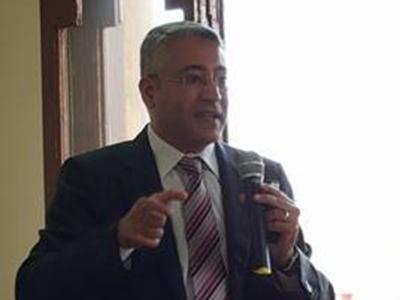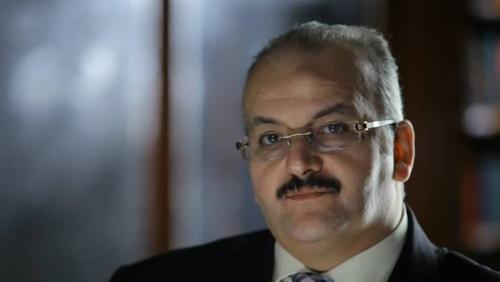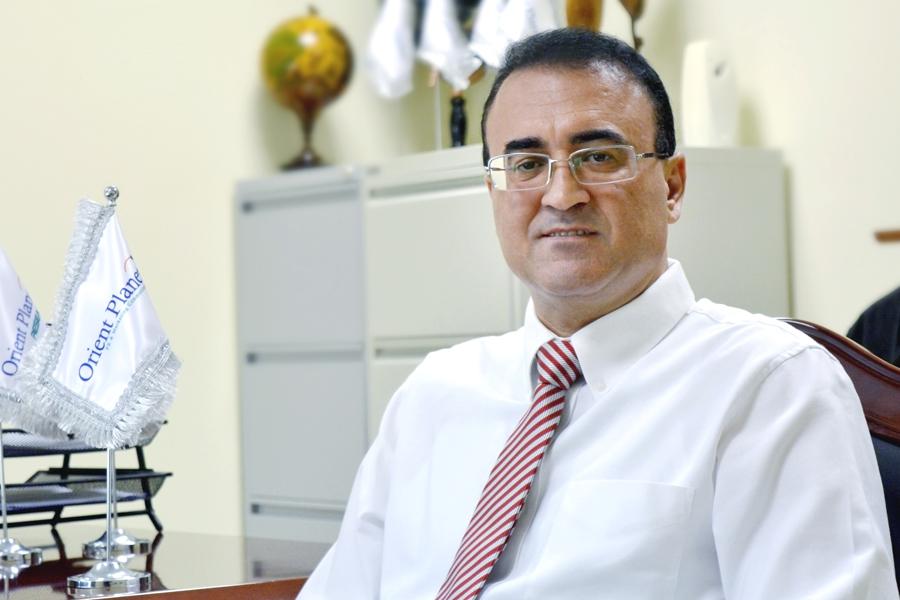
Khaled Ibrahim: We are proud of the strategic partnership between the Ministry of Communications and the CIT Chamber in supporting the digital economy and strengthening Egypt's position as a regional technology hub.
Written by: Pakinam Khaled
Engineer Khaled Ibrahim, Chairman of the Board of Directors of the Information and Communications Technology Industry Chamber (CIT), affirmed that the Ministry's continuous support for the communications and information technology sector is a fundamental pillar in the growth of this vital sector. He pointed out that the Chamber is proud of the strategic partnership between the Ministry and the Chamber in supporting the digital economy and strengthening Egypt's position as a regional technology hub, adding that the CIT community represents a large and growing system.
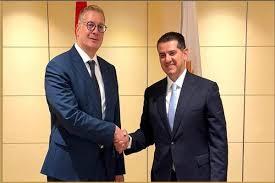
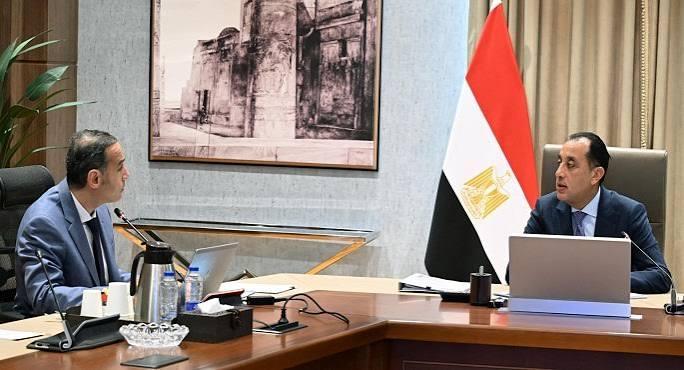
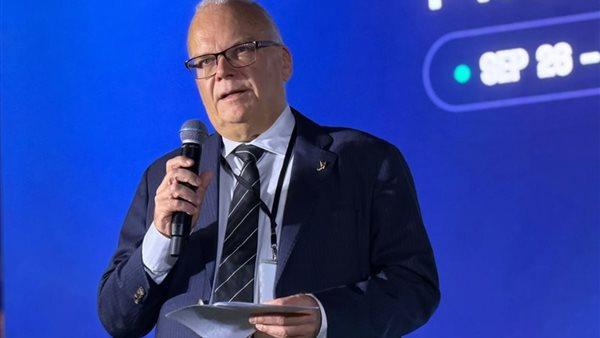
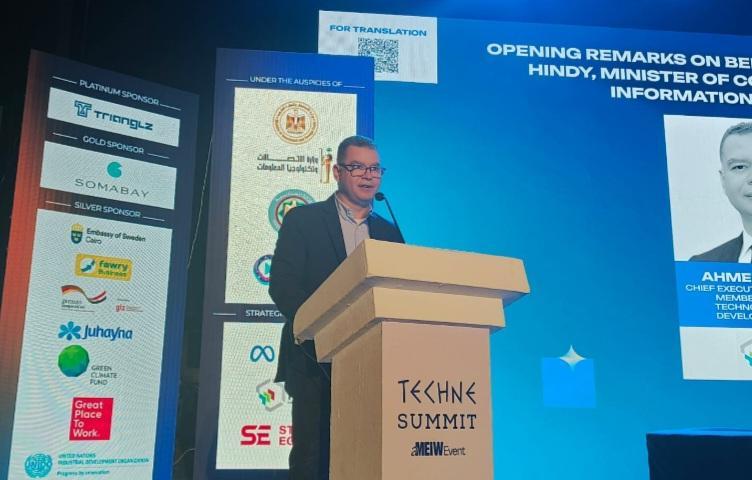
This came during his speech at the annual Suhoor hosted by the Information and Communications Technology Industry Chamber, in the presence of Eng. Raafat Hindi, Minister of Communications and Information Technology, and former Ministers of Communications and Information Technology, Eng. Khaled Negm and Eng. Yasser El-Kady, as well as Dr. Maha Abdel Nasser, Deputy Chair of the Communications and Information Technology Committee in the House of Representatives, Eng. Ahmed El-Zaher, CEO of the Information Technology Industry Development Agency (ITIDA), Eng. Mahmoud Badawy, Assistant Minister of Communications and Information Technology for Digital Transformation Affairs, Eng. Khaled Ibrahim, Chairman of the Board of Directors of the Information and Communications Technology Industry Chamber, and Eng. Hossam Megahed, Chairman of the Board of Directors of the Etisalat Association.
He added that by 2026, the Chamber's total membership will reach more than 23,000, including approximately 3,500 companies operating directly in the ICT sector. The membership structure indicates an important fact: small and medium-sized enterprises (SMEs) represent the largest percentage of companies in the sector.
He explained that this is where the strength of this sector lies; SMEs are the main source of innovation, resilience, and entrepreneurial spirit, and are simultaneously the primary engine of economic growth and job creation.
Ibrahim emphasized that supporting and developing small and medium-sized enterprises (SMEs) is a key focus of the Chamber's efforts in the coming phase. Empowering these companies, enhancing their competitiveness, and opening new horizons for them in local, regional, and international markets is a direct investment in the future of Egypt's digital economy.
He pointed out that the Information and Communications Technology Chamber enjoys a significant strategic advantage as part of the Federation of Egyptian Industries. Through this institutional framework, the Chamber works alongside 21 other industrial chambers representing various industrial sectors in Egypt.
The Chairman of the Information and Communications Technology Chamber explained that this integration creates a real opportunity to directly link the technology sector with various productive sectors and boosts local demand for technological solutions within the Egyptian economy.
He noted that technology is no longer a separate sector but has become a primary driver for industrial development, increased productivity, and enhanced competitiveness. Through this integrated system within the Federation of Industries, Egyptian technology companies can play a pivotal role in supporting the digital transformation of various industrial sectors and opening new markets and opportunities for companies operating in the sector.
Engineer Khaled Ibrahim affirmed that upon assuming its responsibilities, one of the Chamber's top priorities was to formulate a clear vision and an ambitious strategy for the next four years.
He added, "There is no doubt that investing in human capital development and attracting foreign investment are two fundamental pillars for the growth of the technology sector in Egypt. However, the true value of these efforts is realized when they directly translate into the growth of Egyptian companies, especially small and medium-sized enterprises (SMEs), enabling them to expand, innovate, and compete in local, regional, and international markets."
He further stated, "This strategy is based on a primary objective: strengthening the information and communications technology (ICT) ecosystem in Egypt and empowering Egyptian companies to grow locally and expand into regional and global markets."
Ibrahim noted, "We built this strategy around three main pillars. The first is 'Supporting and Developing the ICT Sector in Egypt' by enhancing cooperation among the various stakeholders in the sector, supporting innovation, and actively contributing to the digital transformation efforts underway in Egypt." The second focus is on "supporting Chamber members to grow locally and expand globally." Chamber members are the core of our work, and therefore we strive to develop programs and services that help Egyptian companies enhance their competitiveness, access new markets, and create real opportunities for growth and expansion.
The third focus is "strengthening the Chamber's institutional capabilities." This will be achieved by developing the Chamber's services for its members, enhancing its digital presence and engagement with the technology community, and launching initiatives and programs that provide real added value to Chamber members.