(NTI) and Al-Reyada University for Science and Technology Sign Cooperation Protocol to Prepare Students for Future Jobs and Labor Market Demands
Wednesday 23 September 2026 05:32 - الأربعاء ١١ ربيع الآخر ١٤٤٨
By : Wael Magdy
As part of the Ministry of Communications and Information Technology’s strategy to build digital capabilities and foster cooperation between higher education institutions and specialized entities in the ICT sector, the National Telecommunication Institute (NTI)—affiliated with the Ministry—signed a cooperation protocol with Al-Reyada University for Science and Technology. The protocol aims to support the training of students and graduates in the Institute’s latest advanced technological programs, develop their skills, and align educational outcomes with labor market needs, while also enhancing collaboration in scientific research and innovation.
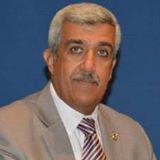
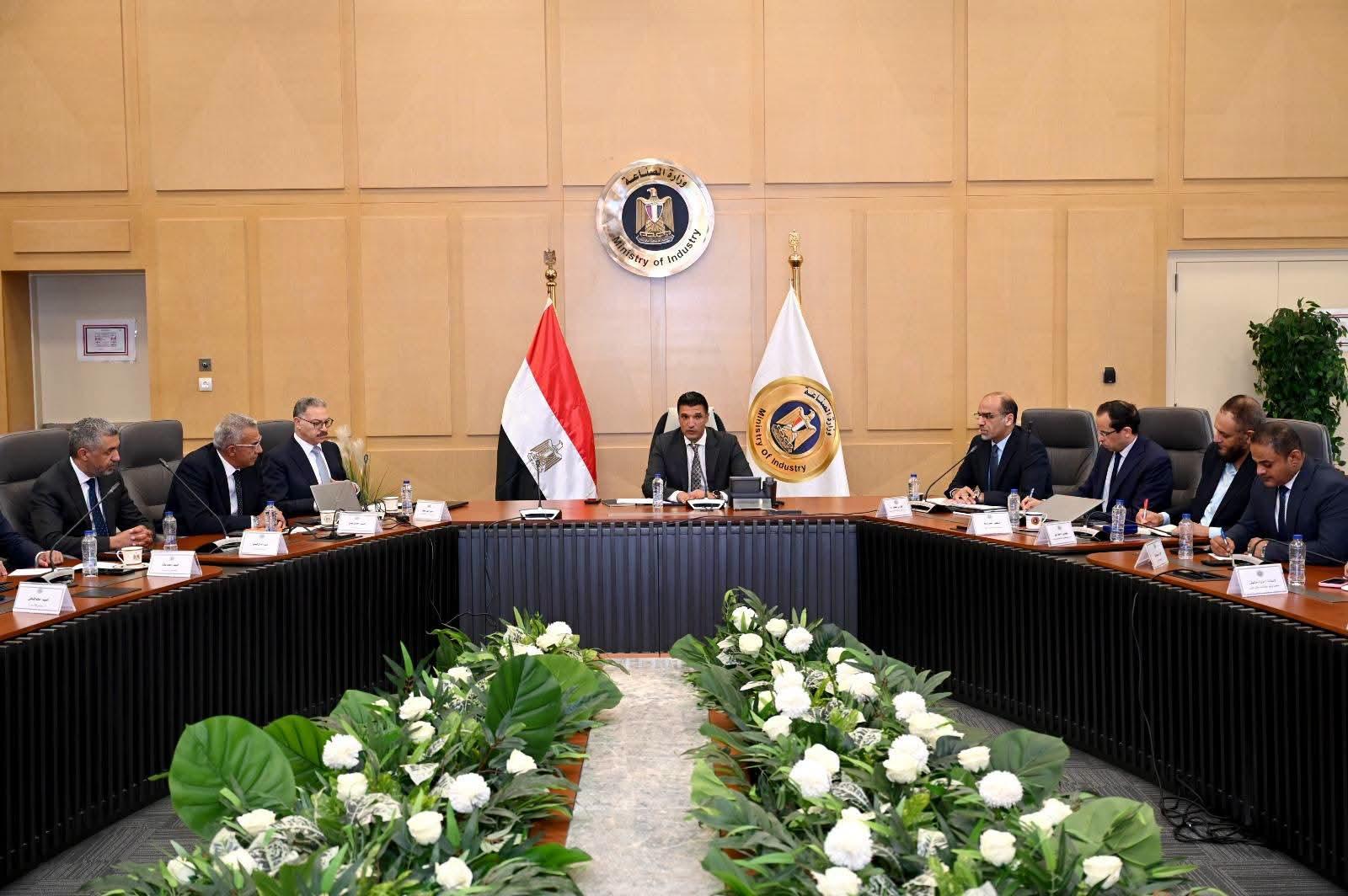
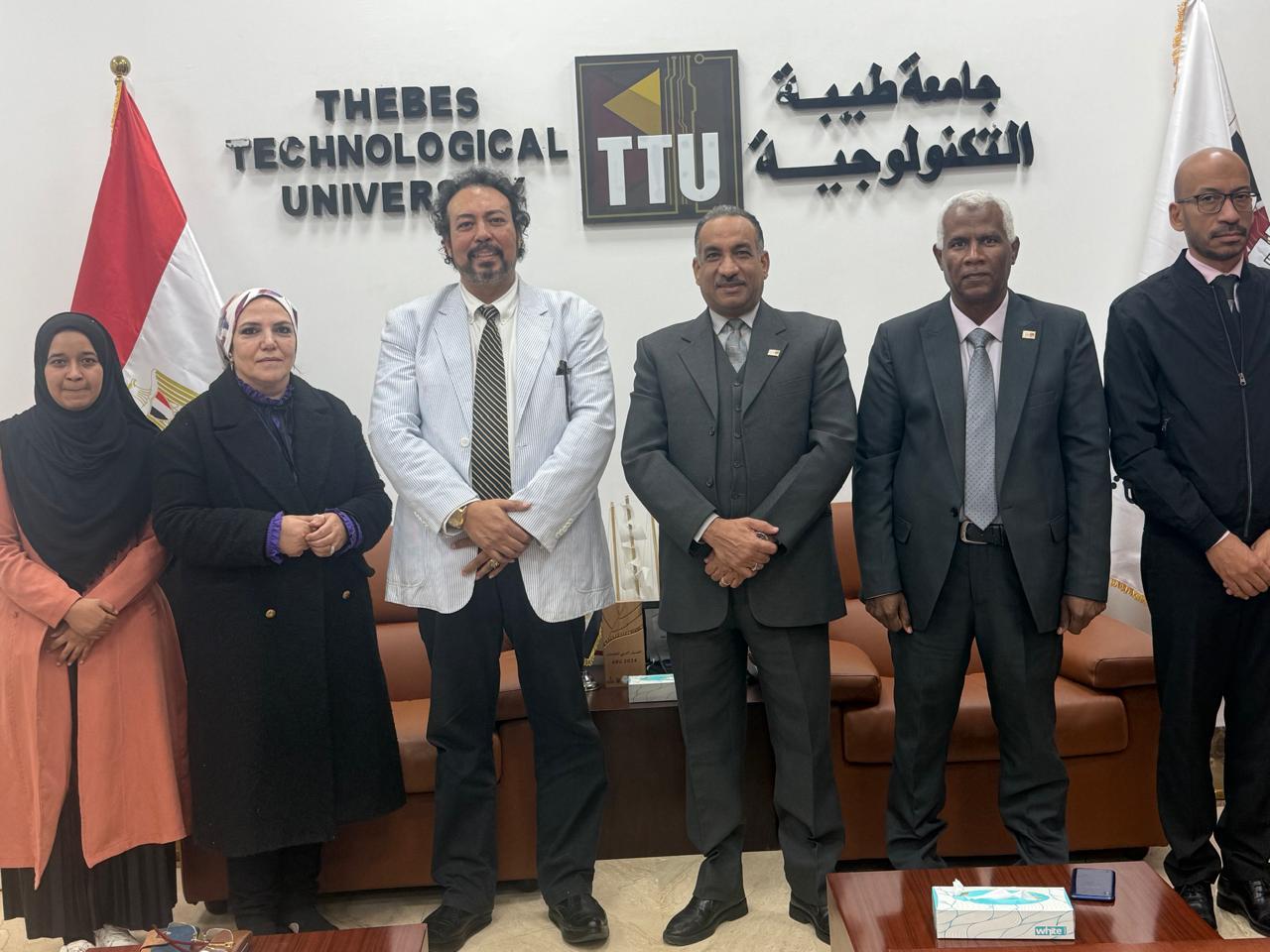
The protocol was signed by Dr. Reda Hegazy, President of Al-Reyada University for Science and Technology and former Minister of Education, and Dr. Ahmed Khattab, Director of the National Telecommunication Institute. The signing ceremony, held at the Institute’s headquarters in Smart Village, was attended by senior officials from both the Institute and the University.
Dr. Reda Hegazy emphasized that Al-Reyada University operates based on a vision to cultivate students who possess knowledge, skills, and the capacity for critical thinking, analysis, creativity, and continuous learning—qualities that prepare them to compete in the labor market and create opportunities. He noted that the rapid evolution of technology and artificial intelligence necessitates a greater focus on practical application and the alignment of education with labor market requirements.
He further explained that the University’s location in Sadat City—situated within an integrated industrial hub—offers extensive opportunities for practical training and allows for the alignment of graduation projects and scientific research with industrial needs. He underscored the University’s commitment to expanding partnerships with various institutions and fostering training, scientific research, and innovation. He noted that the collaboration with the National Telecommunication Institute (NTI) represents a significant addition to the university’s ecosystem by providing field training programs for students and graduates, facilitating the exchange of expertise, organizing workshops and conferences, and enabling joint supervision of graduation projects, research, and postgraduate studies.
For his part, Dr. Ahmed Khattab emphasized the NTI’s commitment to building effective partnerships with universities and educational institutions to provide specialized training opportunities that help prepare a qualified workforce aligned with labor market demands. He pointed out that the collaboration with Al-Reyada University for Science and Technology opens new avenues for integrating education, training, and practical application.
He explained that the protocol entails cooperation in implementing training programs across various modern technology fields, exchanging expertise, and organizing workshops and specialized events. These initiatives enable students to acquire practical skills alongside their academic studies, thereby enhancing their readiness for careers in the information and communication technology (ICT) sector.
The protocol also facilitates the enrollment of university students in NTI-offered summer training programs aligned with future job roles and labor market needs. These programs cover areas such as artificial intelligence, cybersecurity, cloud computing, the Internet of Things (IoT) and embedded systems, mobile communications, fiber optics, web design, graphic design, and freelancing. Students who successfully complete the training programs receive accredited certificates from the NTI, with the option to obtain international certifications in relevant fields. He added that the cooperation also encompasses support for graduation projects and scientific research, as well as the promotion of innovation and technological applications. This contributes to transforming academic knowledge into practical solutions aligned with the needs of the labor market and industry, while bolstering efforts to cultivate a generation of digital professionals capable of keeping pace with the rapid developments in the information and communications technology sector.