During “Huawei Cloud & Fixed Solutions Personal Data Protection Forum 2026”
Monday 26 October 2026 17:15 - الإثنين ١٥ جمادى الأولى ١٤٤٨
By ; Bakinam Khaled
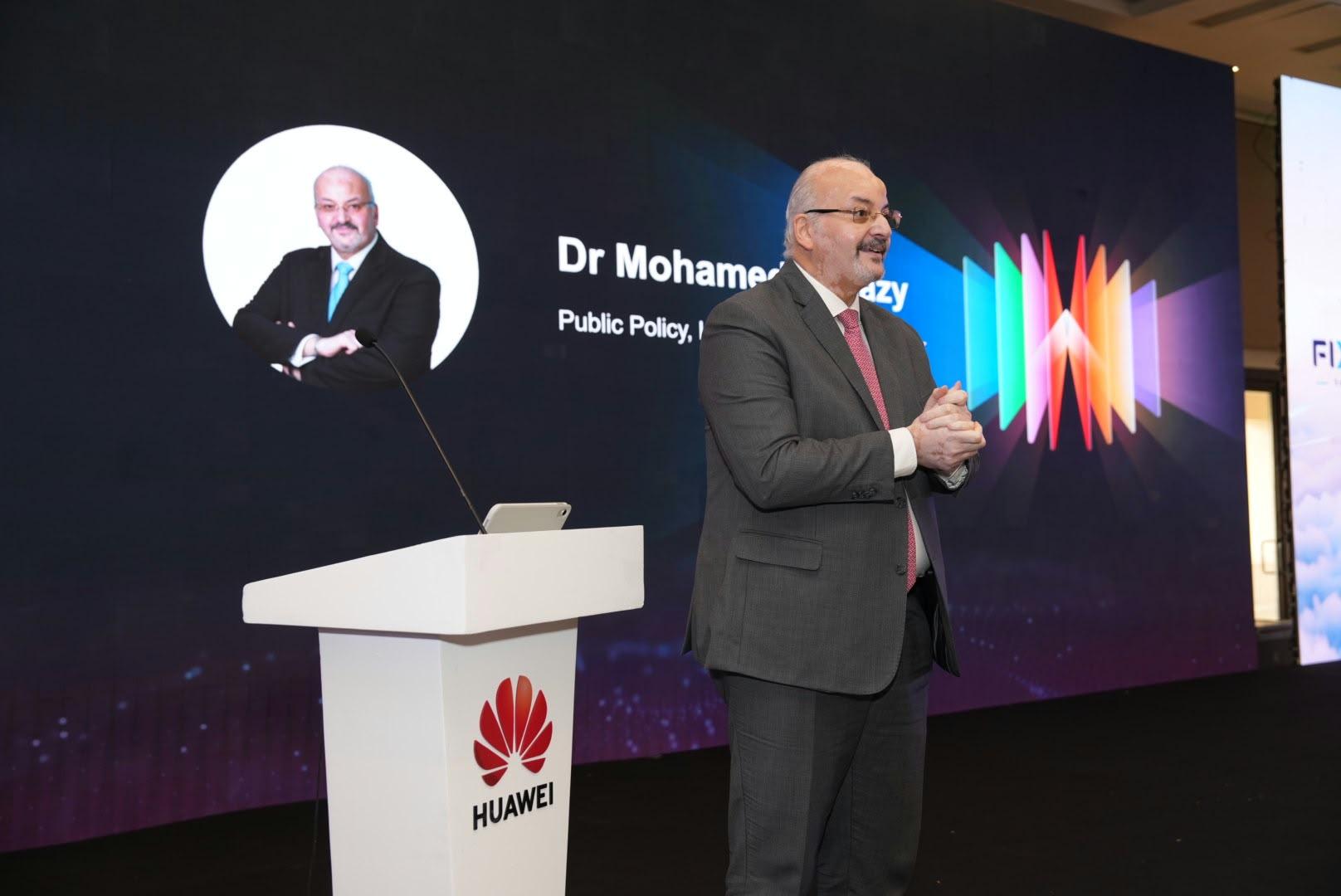
Dr. Mohamed Hegazy, Legal and Policy Affairs Expert and drafter of Egypt’s Cybercrime and Personal Data Protection Laws, provided a comprehensive overview of Egypt’s Personal Data Protection Law No. 151 of 2020, examining its implementation and enforcement landscape, the regulatory mandate of the Personal Data Protection Center (PDPC), and preparations for its effective implementation. He outlined the key requirements for compliance, including identifying and classifying personal data, obtaining the necessary legal consent, appointing a Data Protection Officer (DPO) where required, and conducting Data Protection Impact Assessments (DPIAs).
Dr. Hegazy emphasized that personal data protection laws extend beyond legal obligations and the substantial financial penalties imposed by regulatory authorities worldwide, potentially reaching billions of euros, to have direct strategic and technical implications for organizations across sectors. He noted that global studies and research indicate that investing in compliance and privacy protection systems costs significantly less than the consequences of violating data protection laws. Such investments also help strengthen trust among customers and business partners, both locally and internationally.
He further highlighted the importance of understanding the scope of electronic data processing, appointing Data Protection Officers (DPO), and establishing appropriate mechanisms for cross-border data transfers to protect organizations against legal challenges and reputational damage.
“The executive regulations and personal data protection requirements, particularly those governing sensitive personal data and sectors such as non-banking financial services, healthcare, e-commerce and delivery services, impose strict obligations on how data is collected, processed and stored. They also establish clear frameworks for managing security incidents, addressing system vulnerabilities and data breaches, and responding to requests to withdraw consent”
He added that the law grants individuals rights to access, amend and manage their personal data, requiring decision-makers within organizations to adopt advanced technical and legal measures to avoid significant penalties and ensure the highest possible levels of digital security and trust in the privacy-driven economy.
The forum comes in line with the Executive Regulations of Egypt’s Personal Data Protection Law No. 151 of 2020, which set out the detailed procedures for implementing its provisions and underscore the importance of organizational readiness for compliance. Discussions address the key requirements organizations need to meet, including identifying and classifying personal data, establishing the lawful grounds for processing it, appointing Data Protection Officers (DPO), conducting Data Protection Impact Assessments (DPIA), responding to data subjects’ requests, and mitigating regulatory risks.
The forum also highlights the complementary roles of Huawei Cloud and Fixed Solutions in helping organizations address these requirements. Huawei Cloud provides secure cloud infrastructure, while Fixed Solutions brings the advisory and operational expertise needed to translate regulatory obligations into practical implementation measures. Together, the two companies combine technology solutions with implementation expertise to help organizations strengthen their compliance practices and protect personal data.